


Quick answer: The power of connection comes from learning alongside other cleaning company owners who face the same problems you do. A strong peer network shortens your learning curve, gives you honest feedback on decisions and keeps you accountable to your goals. The key is choosing the right peers and showing up with real questions, not just good intentions.
Running a residential cleaning company can be lonely. Your team looks to you for answers, your family hears enough about work already, and friends outside the industry may not understand why a missed shift or a pricing change keeps you up at night. That is where the power of connection makes a real difference. Talking with owners who have already solved the problem in front of you is one of the fastest ways to make better decisions, and it fits naturally inside a structured approach like the Align Operating System.

Why the power of connection helps owners grow faster
Most owners learn by trial and error. That works, but it is slow and expensive. Every hiring mistake, underpriced estimate or lost client teaches a lesson, and paying for each lesson yourself adds up. Peers change the math. When another owner tells you how they restructured their pay plan or handled a difficult client, you get the lesson without paying the full tuition.
Peers also see what you cannot. You are close to your business, so blind spots are natural. An owner from another market who asks, “Why are you still doing all the estimates yourself?” can shift your thinking in a single conversation. That outside view is hard to get from employees, who may not want to question the boss, or from advisors who have never run a cleaning company.
Finally, peers create accountability. Saying out loud that you will finish your hiring process or raise prices by a certain week, in front of people who will ask about it next time, changes how seriously you take the commitment.
How to build a peer network that helps
1. Know what you want to learn
Before you join any group or reach out to anyone, list the three business problems you most want help with. Maybe it is hiring, pricing or getting out of daily scheduling. Clear questions help you find the right peers and make every conversation more useful.
2. Look for owners a step or two ahead
The most helpful peers are often a little further along, but not so far that their problems feel unrelated. An owner who recently hired their first office manager can tell you exactly what they wish they had known.
3. Include owners outside your market
Owners in your own town may see you as competition and hold back. Owners in other markets have no reason to, which usually leads to more open conversations about pricing, pay and processes.
4. Give as much as you take
Share your own templates, mistakes and wins. The owners who get the most from a network are usually the ones who contribute generously, because others are glad to return the favor.
5. Make it a rhythm, not an event
A single conversation can spark an idea, but steady contact builds trust and accountability. Schedule regular calls or meetings so the power of connection becomes part of how you run the business, not something that happens by chance.
Using peer groups well
Being in a group is not the same as getting value from it. A few habits make the difference:
- Bring a specific question. “How do you handle a technician who keeps calling out on Mondays?” gets far better help than “Hiring is hard.”
- Share real numbers when you are comfortable. Vague descriptions get vague advice.
- Take notes and choose one action. Leave every session with one thing you will do before the next one.
- Report back. Tell the group what you tried and what happened. That closes the loop and helps others learn too.
Common mistakes
- Collecting ideas without acting. Ten new ideas and zero follow-through leaves you exactly where you started.
- Comparing instead of learning. Another owner’s revenue is less useful than how they got there.
- Only showing the good news. Peers can only help with the problems you are willing to share.
- Choosing groups by convenience. A group that meets near you is not automatically the group that fits your goals.
- Showing up inconsistently. Trust and accountability depend on regular attendance.
Your first 30 days
- Week 1: Write down your top three business problems and the kind of owner who could help with each.
- Week 2: Reach out to two or three owners outside your market, or explore a structured peer group, and schedule a first conversation.
- Week 3: Bring one specific question to each conversation and choose one action to take.
- Week 4: Report back on what you tried, then set a recurring time to stay connected.
Structured connection inside the Align Operating System
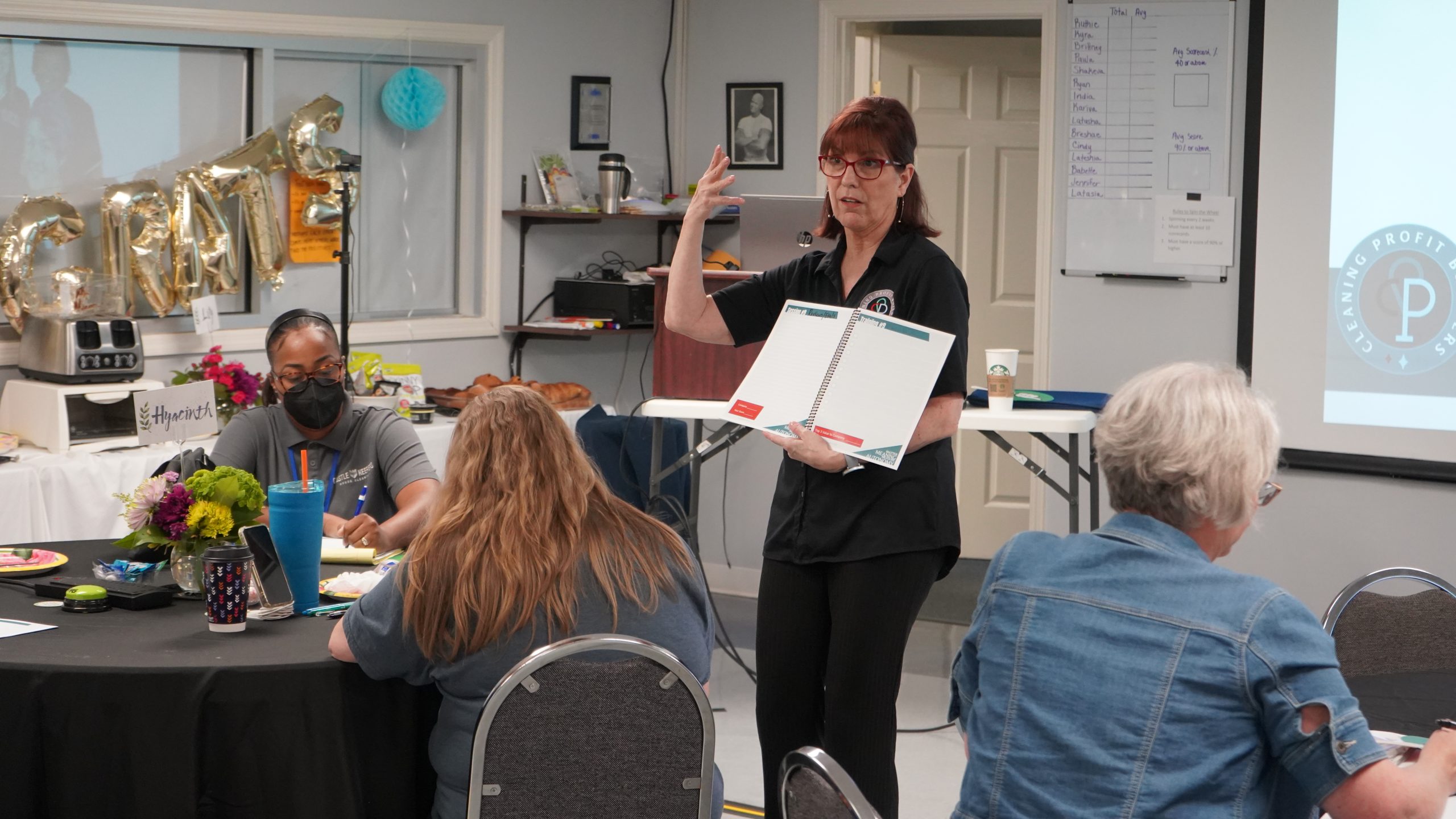
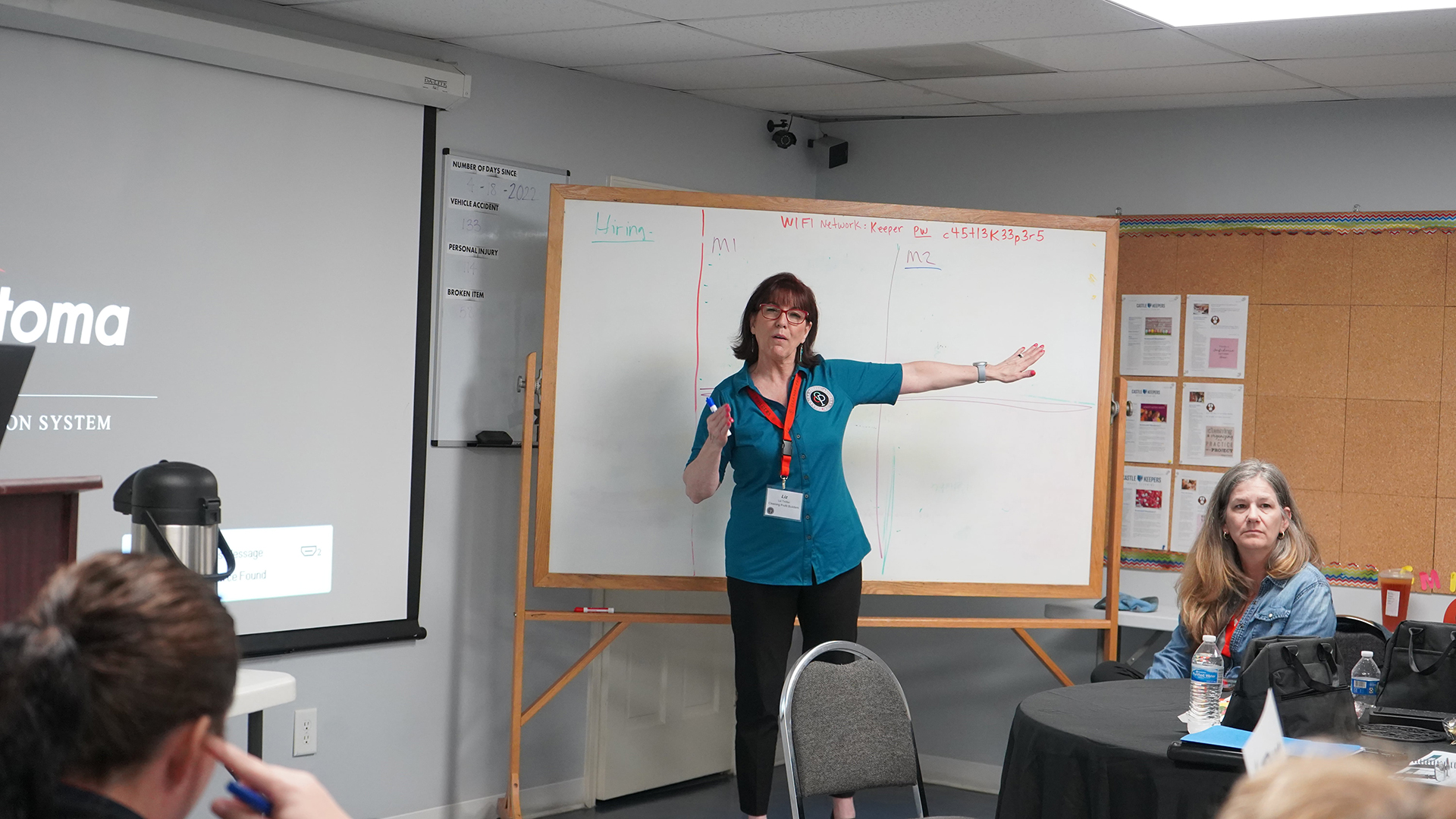
The power of connection works best when it is tied to clear goals. Mastery Circle brings together groups of up to 15 owners for weekly one-hour Monday goal check-ins facilitated by Liz Trotter. It is not a mastermind where people trade stories and leave. Members track KPIs and weekly commitments in GET, the Growth Execution Tool, so every conversation connects to real progress. If your supervisors or managers would benefit from their own development, Manager Circles are built for them. CPB also runs live events and workshops where owners meet in person.
For research on why relationships and networks matter at work, the Harvard Business Review networking topic page is a good place to read more.
Key takeaways
- Peers help you learn lessons without paying the full cost of every mistake.
- Owners a step or two ahead, and outside your market, are often the most helpful.
- Specific questions get specific, useful answers.
- The power of connection becomes accountability when you commit to an action and report back.
- A regular rhythm matters more than any single conversation.
Next step: write down your top three business problems and bring one to a peer conversation this month.
Frequently asked questions
Why should cleaning company owners join a peer group?
The power of connection is practical: peers share what has worked for them, point out blind spots and hold you accountable, which helps you make better decisions faster than learning everything by trial and error.
How do I find the right peers for my cleaning business?
Look for owners who are a step or two ahead of you and who work in other markets, so conversations are open and the lessons apply to your next stage.
What should I bring to a peer group meeting?
Bring one specific question, any numbers you are comfortable sharing and a willingness to commit to one action before the next meeting.
How is a structured peer group different from casual networking?
A structured group meets on a regular rhythm, ties conversations to written goals and follows up on commitments, while casual networking is usually occasional and open‑ended.
Turn these ideas into consistent action
Mastery Circle gives owners weekly goal check-ins with Liz, KPI review, group feedback and accountability.
Not sure where to focus? Take the optional AOS Diagnostic.

Founder of Core Profit Builders and creator of the Align Operating System (AOS). Part owner in six cleaning companies. Certified High-Performance Coach (CHPC) and co-host of the Smart Business Moves podcast.
More about Liz