


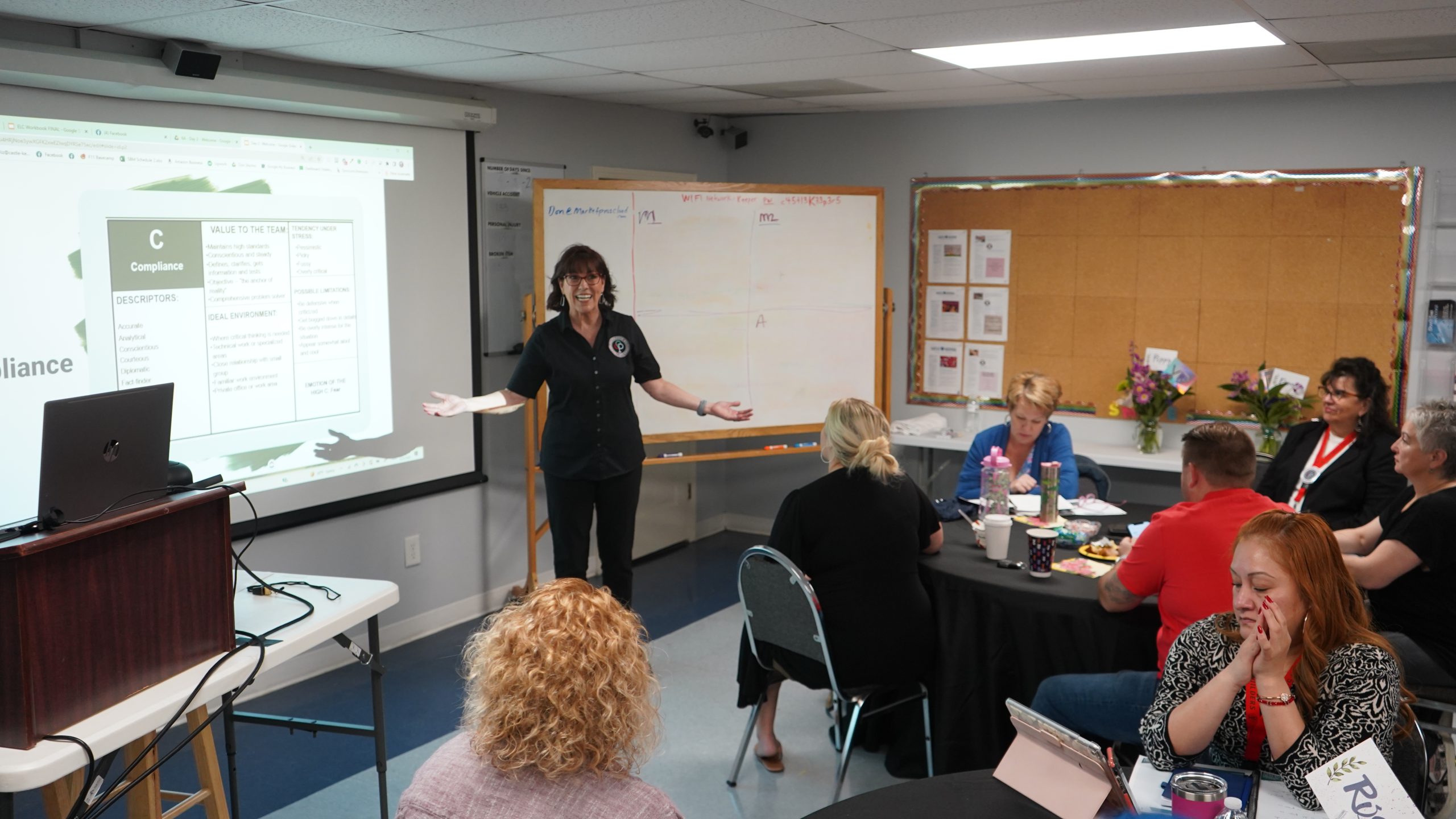
Quick answer: A DISC workshop helps a cleaning team see that much of its conflict comes from different communication styles, not bad intentions. Once the team can name Dominance, Influence, Steadiness and Conscientiousness, people can spot style clashes early, especially between field and office, and use simple conversation habits to resolve them before they turn into turnover.
Ask a cleaning company owner where the drama comes from and the answer is often the same: the field and the office do not get along. Techs feel the office makes promises they have to keep. The office feels techs ignore the schedule. A DISC workshop, whether run by an outside facilitator or led internally, gives both sides a shared language to talk about it without blame.
Why conflict on cleaning teams is so often about style
Cleaning teams work under real pressure: tight schedules, last-minute client changes, physical work and limited time together. Under pressure, people lean harder into their natural style. A direct person gets blunter. A careful person gets more rigid. A steady person goes quiet. An enthusiastic person over‑promises.
The physical setup of the work adds to it. Techs spend most of the day in clients’ homes, while office staff spend it on the phone and the schedule. The two groups may see each other only briefly, which leaves plenty of room for assumptions to fill the gap.
None of those reactions are wrong on their own. The trouble starts when two styles collide and each person reads the other’s behavior as a personal attack. Naming the style moves the conversation from “you are difficult” to “we handle this differently.”
Common style clashes on cleaning teams
1. The fast scheduler and the careful tech
A D or I style in the office adds a job to a route with a quick text. A C style tech wants details: the address, access instructions, scope and time. The scheduler sees resistance. The tech sees chaos. The fix is a standard for what every schedule change must include.
2. The direct team lead and the steady crew member
A D team lead corrects work in front of the client or the crew. An S crew member feels embarrassed and starts looking for another job without saying a word. The fix is private correction and a quick check‑in afterward.
3. The upbeat office manager and the detail‑focused owner
An I office manager reports that “everything went great this week.” A C owner wants the numbers. Both get frustrated. The fix is a short weekly scorecard that gives the owner facts and gives the office manager a place to share wins.
4. Two D styles in charge
When an owner and a general manager are both strong D styles, decisions can turn into contests. The fix is clear decision rights: who decides what, and when the other is consulted.
How to run a conversation when styles collide
- Pause before reacting. Ask yourself what style the other person is showing right now.
- Name the shared goal. Usually it is a happy client and a fair, workable day for the team.
- Describe the behavior, not the person. “The job came in by text with no access code” lands better than “you never give me what I need.”
- Ask what they need. Different styles need different things to do their best work. Ask directly.
- Agree on one change. A specific, small agreement beats a long list of promises.
- Follow up. Check back within a week to see whether the change stuck.
Bringing a DISC workshop to your own team
- Include both field and office. The point is to understand each other, so both sides need to be in the room.
- Share results openly. Post team styles where people can see them, with permission.
- Use real scenarios. Role play an actual schedule change or an actual complaint, not a generic example.
- Keep it going. A single DISC workshop fades. Refer to styles in huddles and one‑on‑ones afterward.
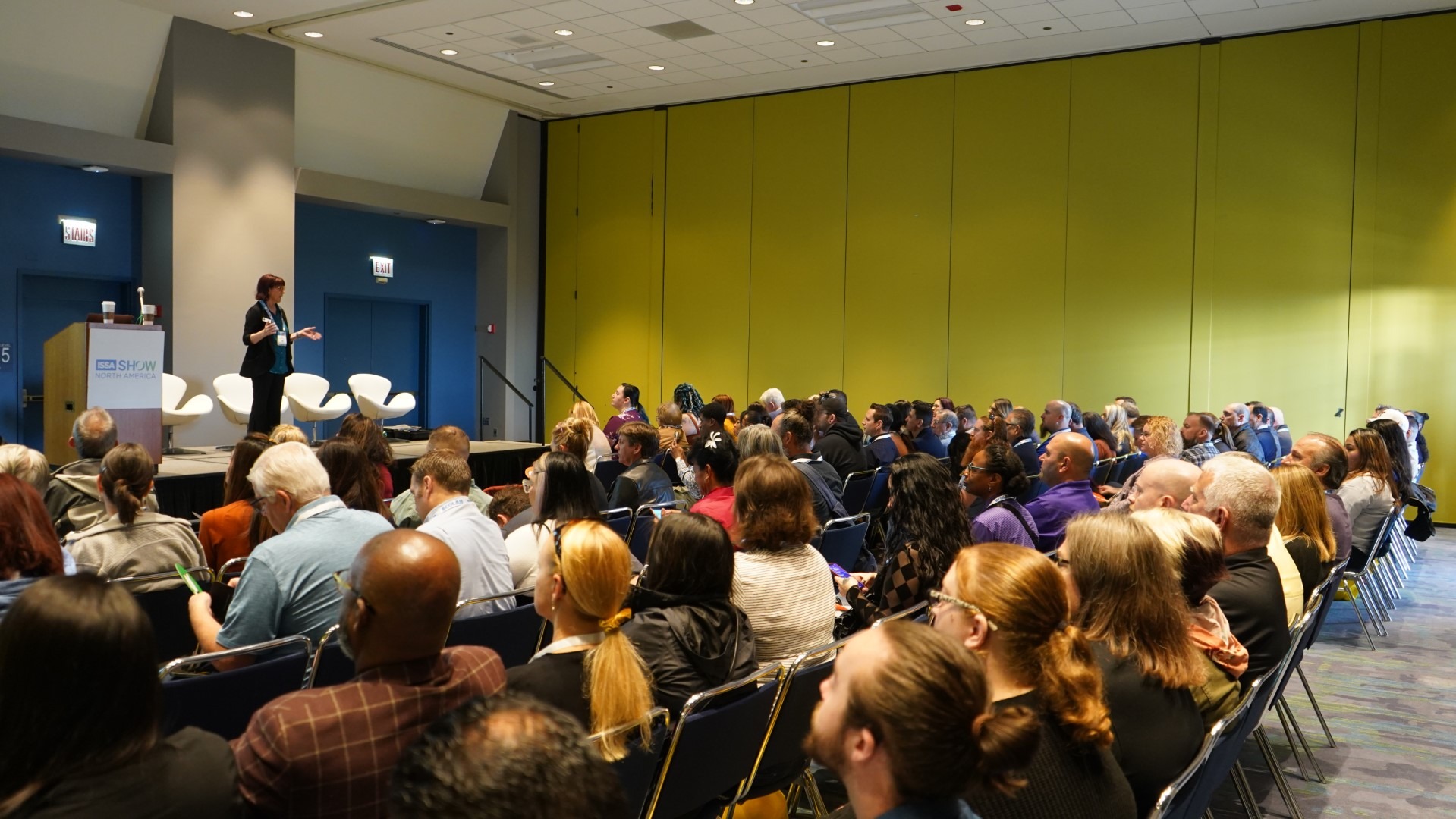
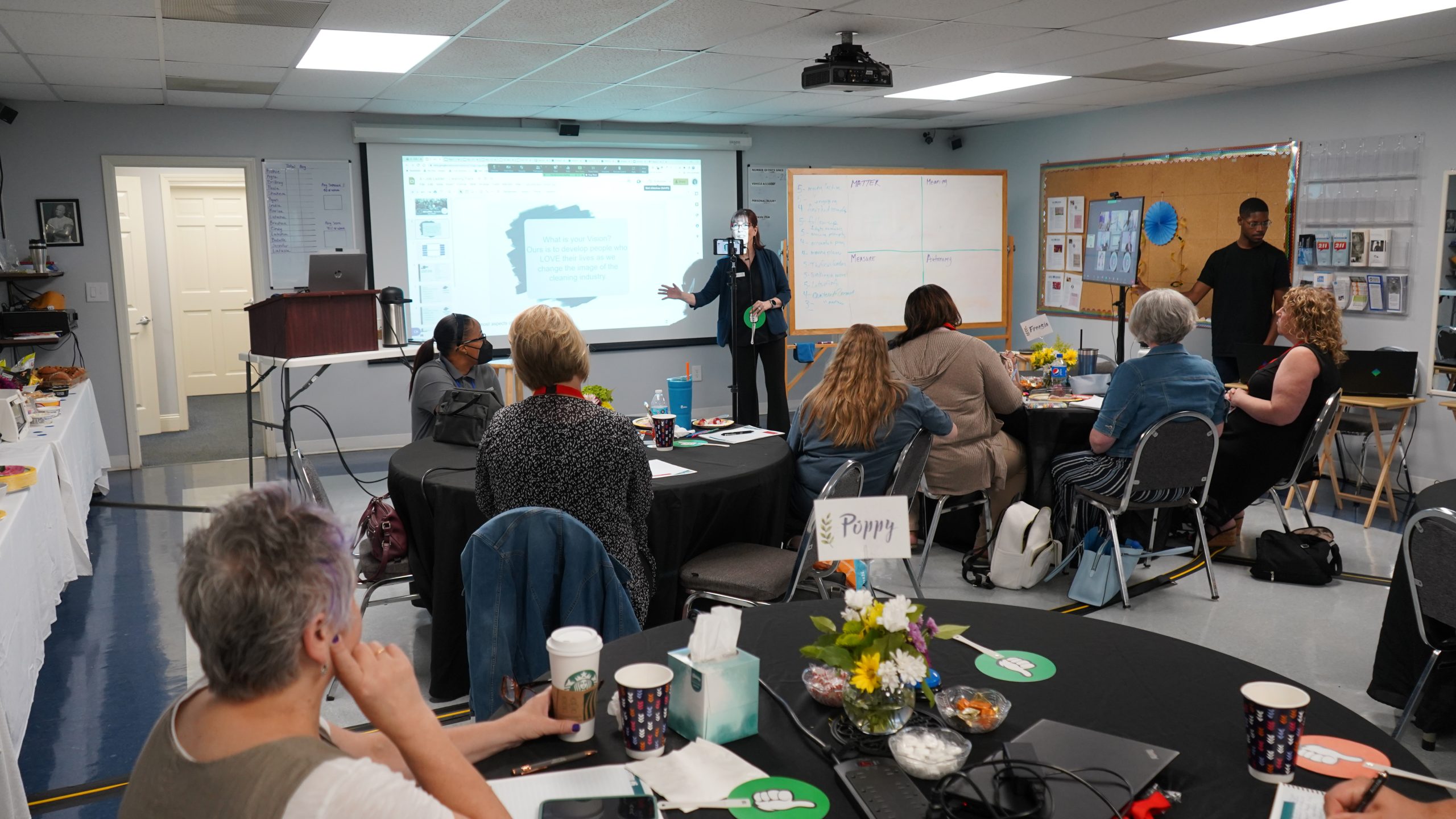
CPB offers DISC assessments for teams; ask CPB about DISC. CPB also runs live events and workshops where owners work through these skills together.
What leaders should do differently
Owners and managers set the tone for how conflict is handled. If the owner vents about the field in front of the office, or about the office in front of the field, the divide grows. After a DISC workshop, leaders should model the language themselves: name their own style, admit when it caused friction, and ask others what they need.
Leaders also need to separate people problems from process problems. When the same clash happens three times, it is rarely about the people. It usually means a standard is missing or unclear. Fix the process and coach the conversation at the same time. For general guidance on workplace communication and conflict, SHRM offers useful resources for small employers.
Common mistakes
- Running it only for the office. Field staff feel left out and the gap gets wider.
- Using styles as ammunition. “That is just your C talking” ends conversations. Use styles to understand, not to win.
- Ignoring systems. Some conflict is caused by a broken process. DISC helps people talk, but a clear standard prevents the problem.
- Expecting one session to fix culture. Habits change through repetition, not one afternoon.
Your first 30 days
- Week 1: List the three most frequent conflicts on your team and note which roles are involved.
- Week 2: Have the team take DISC assessments and hold a short internal session to share results.
- Week 3: Pick the most frequent conflict and write one standard that removes the friction, such as what every schedule change must include.
- Week 4: Coach your leaders to use the six-step conversation in at least one real situation, then review how it went.
Where this fits in the AOS
In the Align Operating System, team conflict sits at the meeting point of the People and Operations pillars, with Leadership running through both. If your supervisors are the ones handling most of these conversations, Manager Circles help them build the skills to do it well.
Key takeaways
- Much of the conflict on cleaning teams is a style clash, not a character flaw.
- A DISC workshop works best with field and office in the same room.
- Pair DISC language with clear process standards to stop repeat conflicts.
- Use a simple, repeatable conversation structure when styles collide.
Next step: pick your most frequent team conflict this week, name the styles involved, and write one standard to prevent it. Then take the free AOS Diagnostic to see how your People pillar scores.
Frequently asked questions
What happens in a DISC workshop for a cleaning team?
Team members learn the four styles, review their own results, and practice real scenarios such as schedule changes and client complaints so they can communicate better under pressure.
Why do field staff and office staff clash so often?
They face different pressures and often have different styles. The office juggles clients and schedules, while the field handles the physical work and time limits, so each side can misread the other.
Can DISC solve conflict caused by a broken process?
Not on its own. DISC helps people talk about the problem, but a clear standard or system is what keeps the same conflict from coming back.
How do we keep DISC workshop lessons from fading?
Refer to styles in team huddles and one-on-ones, plan hard conversations by style, and revisit the material with the team every few months.
Develop the people leading your team
Learn Circle supports supervisors and managers with people and daily operations, Build Circle adds KPI management, and Leadership Circle develops senior leaders.
Not sure where to focus? Take the optional AOS Diagnostic.

Founder of Core Profit Builders and creator of the Align Operating System (AOS). Part owner in six cleaning companies. Certified High-Performance Coach (CHPC) and co-host of the Smart Business Moves podcast.
More about Liz