


Quick answer: Collaborative thinking means solving a business problem with several minds instead of one. In a cleaning company, the simplest way to do it is a round table session: define one clear problem, give everyone time to think on their own, share ideas in turn, narrow to the best options and leave with an owner, an action and a due date.
When a problem lands on a cleaning company owner’s desk, the habit is to solve it alone and announce the answer. That is fast, but it misses what your team sees every day in the field and in the office. Collaborative thinking brings those perspectives into the room in a structured way, so you get better solutions and more buy-in. It is one of the practical habits that supports Execution and Leadership within the Align Operating System.
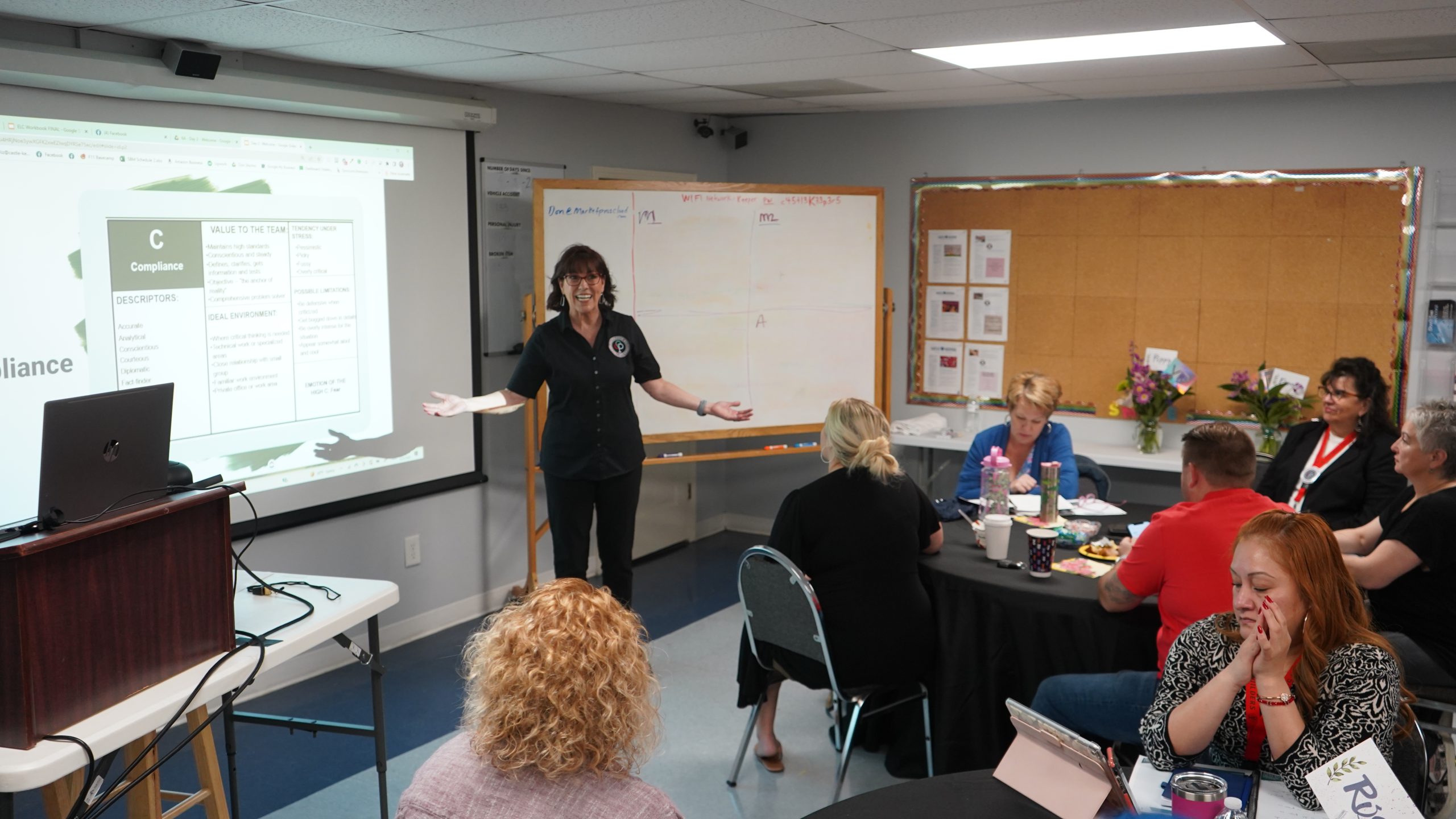
Why collaborative thinking matters
Your technicians know which checklists slow them down. Your office manager knows which clients call to reschedule every month. Your team leads know why a new hire quit after two weeks. None of that shows up in a spreadsheet, and much of it never reaches the owner unless someone asks.
This approach does three things well. It surfaces information you would otherwise miss. It produces more options to choose from, which usually leads to a better decision. And it builds ownership: people support solutions they helped create. A rushed decision made alone may need to be explained, defended and enforced. A decision made together often just gets done.
How to run a round table session, step by step
1. Choose one problem and write it as a question
Pick a single, specific problem. “Our team is unhappy” is too broad. “How can we reduce last-minute schedule changes for technicians?” is clear enough to solve. Writing the problem as a question invites solutions instead of complaints.
2. Invite the right people
Include people who are close to the problem and people who will carry out the solution. For a scheduling issue, that might be your office manager, a team lead and an experienced technician. Keep the group small enough that everyone speaks, usually four to eight people.
3. Share the facts first
Open with what you know: the relevant numbers, a few real examples and any constraints such as budget or timing. Shared facts keep the discussion grounded and prevent the session from turning into opinions versus opinions.
4. Give everyone quiet thinking time
Before anyone speaks, give the group a few minutes to write their own ideas. This step matters. Without it, the first or loudest voice tends to set the direction, and quieter team members hold back.
5. Go around the table
Ask each person to share one idea at a time, in turn, until the ideas run out. Write every idea where everyone can see it. No debating yet. The goal in this round is quantity and range.
6. Discuss, combine and narrow
Now open the discussion. Group similar ideas, ask clarifying questions and look for combinations. Then narrow the list to two or three options by asking which ideas would have the most impact for the least effort.
7. Decide and assign
Make a decision, even if it is a small test. Name one owner, the first action and a due date. Agree on how you will know whether it worked, and put a follow-up on the calendar.
Ground rules that keep it productive
- Ideas are welcome from every role. A technician’s suggestion gets the same hearing as the owner’s.
- Separate generating from judging. Collect ideas first, evaluate them second.
- Stay on the one problem. Park unrelated issues on a list for another meeting.
- Owner speaks last. If the owner shares an opinion first, many people will simply agree.
- End on time with a decision. A session that ends with no action trains people to stop participating.
Common mistakes
- Bringing a decision already made. If the answer is set, the team will notice, and trust in the process drops.
- Too many problems at once. One focused question beats a long agenda.
- Skipping quiet thinking time. It is the easiest way to lose your best ideas.
- No follow-up. If nobody checks whether the action happened, the next session feels pointless.
- Inviting only managers. The people doing the work often have the most practical ideas.
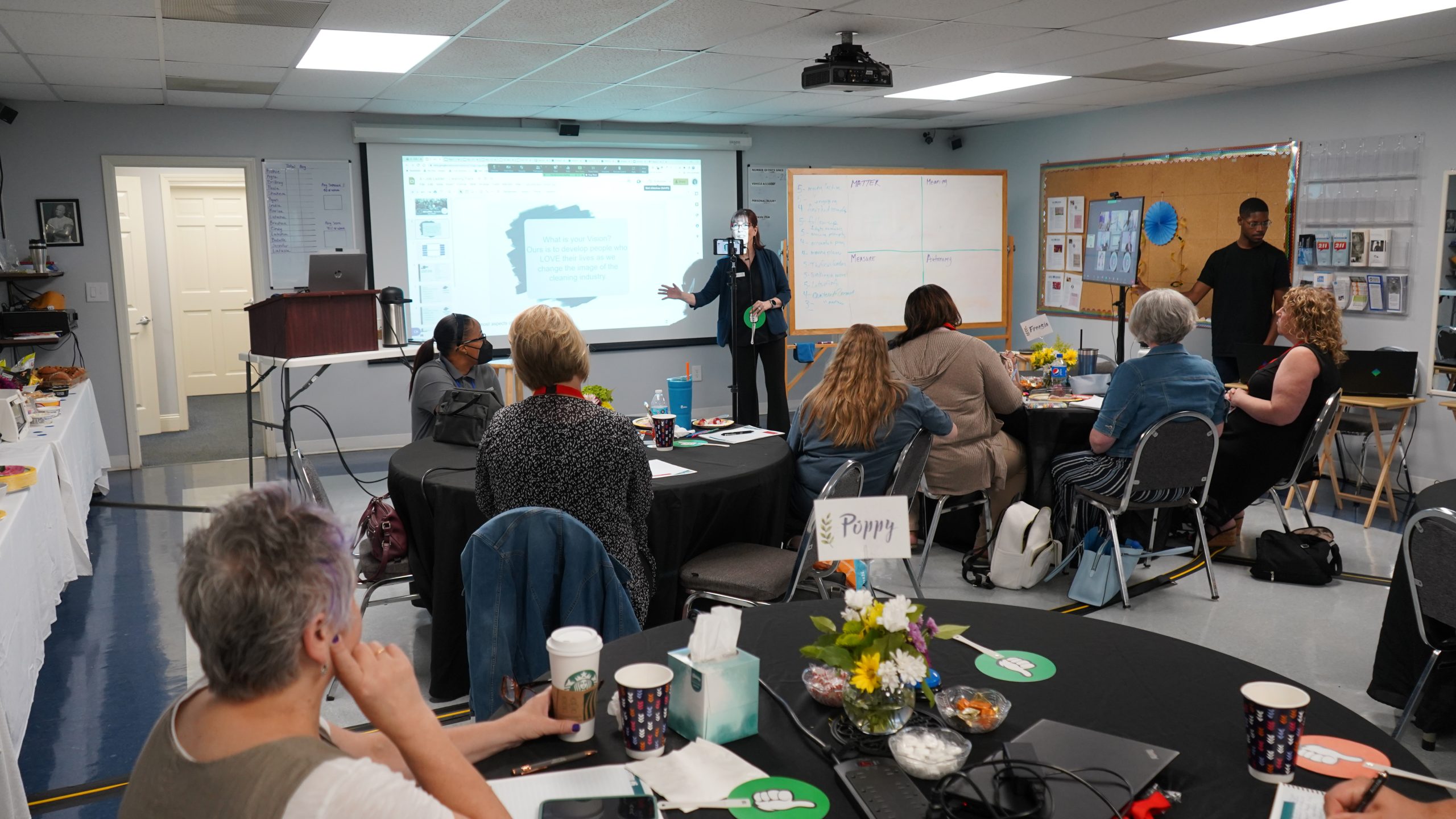
Your first 30 days
- Week 1: Pick one real problem, write it as a question and gather the key facts.
- Week 2: Invite four to eight people and run your first round table using the steps above.
- Week 3: Follow up on the action the group chose and share early results with everyone who took part.
- Week 4: Review what worked about the session itself, adjust your process and choose the next problem.
Collaborative thinking with your leaders and your peers
Round tables work inside your company and with other owners. Inside, they help supervisors and office managers practice leadership. Manager Circles are designed to build those skills for supervisors, managers and senior leaders. With peers, the same approach gives owners an outside view on their toughest decisions. In Mastery Circle, owners meet weekly for one-hour Monday goal check-ins facilitated by Liz Trotter and track commitments in GET, the Growth Execution Tool. CPB also runs live events and workshops where owners work through problems together.
For more on how teams make better decisions together, the Harvard Business Review decision making topic page offers useful reading.
Key takeaways
- Collaborative thinking surfaces information and ideas the owner would otherwise miss.
- Start with one specific problem written as a question.
- Quiet thinking time and going around the table keep every voice in the room.
- Every session should end with an owner, an action and a due date.
- Follow-up is what converts a good meeting into real change.
Next step: choose one problem, write it as a question and schedule your first round table this week.

Frequently asked questions
What is collaborative thinking in a small business?
It is a structured way of solving problems with several people instead of one, so the decision benefits from different perspectives and the team feels ownership of the result.
How long should a round table brainstorming session take?
Most focused sessions on a single problem fit in about an hour, including sharing facts, quiet thinking time, idea sharing, narrowing and assigning an action.
Who should attend a round table session in a cleaning company?
Invite four to eight people who are close to the problem or will carry out the solution, such as an office manager, a team lead and an experienced technician.
Why should the owner speak last in a brainstorming session?
When the owner shares an opinion first, many team members simply agree. Speaking last lets other ideas surface before the boss’s view shapes the discussion.
Develop the people leading your team
Learn Circle supports supervisors and managers with people and daily operations, Build Circle adds KPI management, and Leadership Circle develops senior leaders.
Not sure where to focus? Take the optional AOS Diagnostic.

Founder of Core Profit Builders and creator of the Align Operating System (AOS). Part owner in six cleaning companies. Certified High-Performance Coach (CHPC) and co-host of the Smart Business Moves podcast.
More about Liz