


Quick answer: A culture of continuous learning in a cleaning company is one where everyone, from new technicians to the owner, expects to get a little better every week through daily huddles, peer teaching, coaching conversations and honest reviews of mistakes. It is built through small, repeated habits led by example, not through a single training event.
Most cleaning companies train hard for the first two weeks and then stop. After onboarding, learning happens by accident, usually after a client complaint. A culture of continuous learning changes that. It makes improvement part of the normal workweek, so skills keep growing, standards stay fresh, and good people see a reason to stay. This article covers eight habits that build that culture in a residential cleaning company, plus how to protect them when the schedule gets tight.
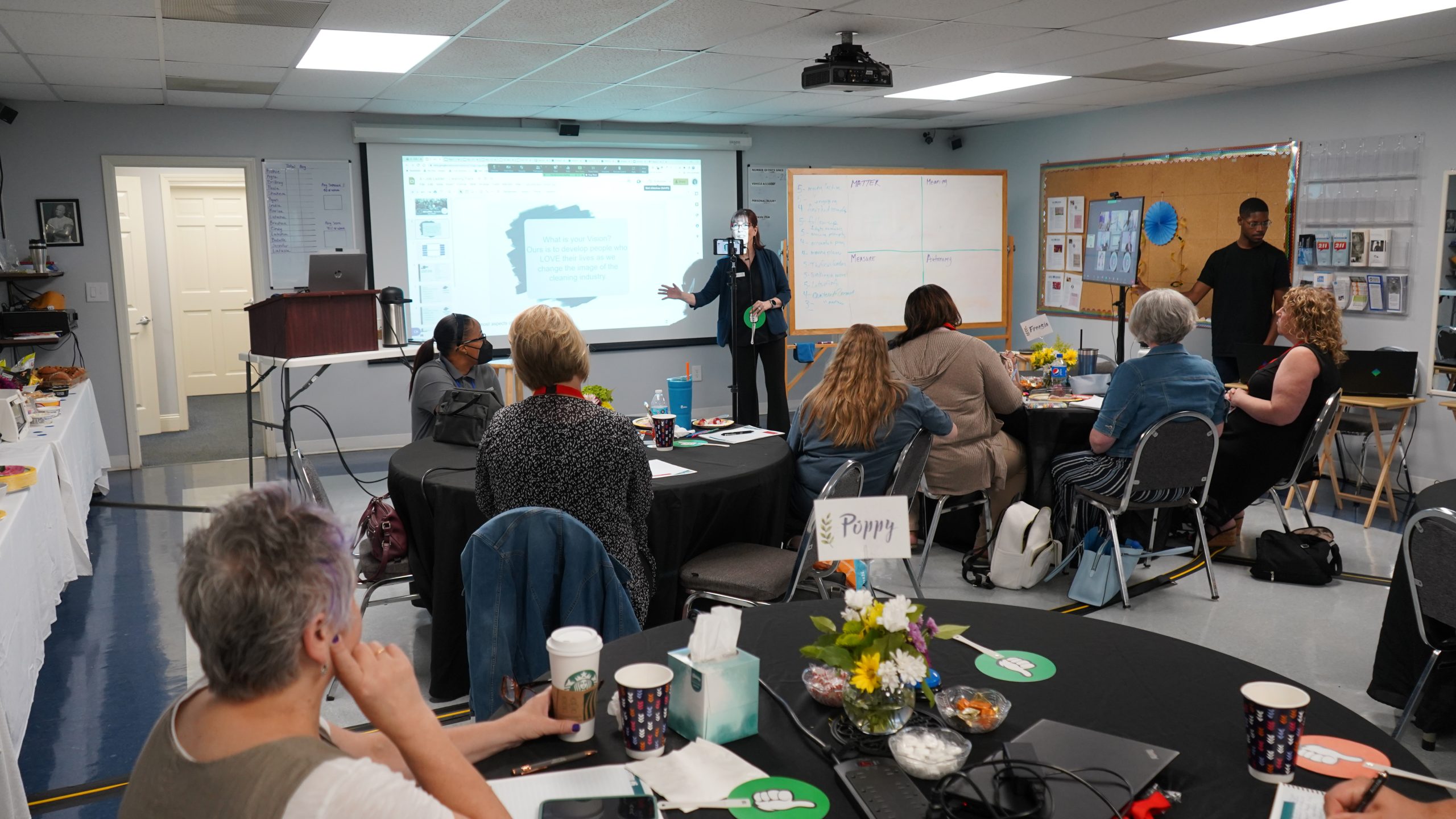
What a culture of continuous learning looks like in a cleaning company
Culture is what people do when nobody is watching. In a culture of continuous learning, a technician who discovers a faster way to clean a stovetop shares it at the next huddle. A team lead who gets a complaint asks what the team can learn before deciding who is at fault. The office manager reads the new SOP before anyone asks.
None of this requires a training department. It requires a few clear expectations and leaders who model them. You will know the culture is forming when people ask questions freely, mistakes are discussed openly, and improvements come from the field instead of always from the owner. Those are the signs of a culture of continuous learning taking root.
In the Align Operating System (AOS), this kind of culture lives in the People pillar of the Act phase, and Leadership runs through every pillar. That matters, because a culture of continuous learning cannot be delegated. It grows or fades based on how leaders behave.
Why learning stalls in most cleaning businesses
Learning rarely stops because people do not care. A culture of continuous learning usually stalls for practical reasons:
- No time: the schedule is full, so anything that is not cleaning feels optional.
- No standard: without written cleaning SOPs, there is nothing clear to learn toward.
- Fear of blame: when mistakes lead to scolding, people hide them.
- Owner as the only teacher: if every lesson must come from the owner, learning moves at the owner’s pace.
- No visible future: people invest in learning when they can see where it leads.
Each habit below addresses one or more of these blockers. You do not need all eight at once. Pick the two or three that fit your biggest gaps and build from there.
Habit 1: Leaders learn out loud
A culture of continuous learning starts at the top. When the owner says, “I learned something this week that changes how we schedule,” the team hears that learning is normal, even for the boss. When the owner acts as if they already know everything, the team stops asking questions.
Share what you are reading, what you heard on a podcast, or what another owner taught you. The Smart Business Moves podcast, co-hosted by Liz Trotter and Tom Stewart of MaidCentral, is a good source of ideas built for cleaning business owners. Bring one takeaway to your next team meeting and ask how it could apply in your company. Small acts like this are how a culture of continuous learning spreads from the owner to the whole team.
Habit 2: Daily huddles that teach one thing
A morning huddle is usually about logistics: who is going where, which client has a new gate code. Add one learning moment of two to five minutes. Demonstrate a technique, review one step of an SOP, or share a tip from a team that had a great inspection score.
One small lesson a day adds up to dozens of lessons a quarter without taking a single technician out of the field. Rotate who leads the lesson so team leads and senior technicians practice teaching. This is the simplest way to make a culture of continuous learning visible every single morning.
Habit 3: Treat re-cleans as lessons, not blame
Every re-clean has a lesson inside it. Maybe a step was missing from the checklist, maybe the time estimate was too tight, or maybe a technician never learned the right method for that surface. When the only response is “Who did this?”, the lesson is lost and the problem repeats.
Try a short review instead. What happened? What was expected? What will we change? Record the answer and, where it applies, update the SOP or the training checklist. Over time, this habit converts quality problems into better systems. It also tells your team that a culture of continuous learning is safe: honesty about mistakes is rewarded, not punished.
A five-minute re‑clean review
- Describe what the client saw, without naming anyone yet.
- Compare it with the written standard for that task.
- Identify the cause: skill, time, tools, or communication.
- Agree on one change and who will make it this week.
Habit 4: Peer teaching on every team
Your best technicians know things the owner does not. Peer teaching puts that knowledge to work and spreads a culture of continuous learning across teams, not just from the top down. Ask each team to own one skill and teach it to the others: one team becomes the go-to for kitchens, another for bathrooms, another for move‑out cleans.
Teaching is also one of the fastest ways to learn. A technician who has to explain a method has to understand it deeply. Recognize good peer teachers and consider them for field trainer roles. Our guide to skills development plans for technicians and team leads shows how to build that recognition into a clear path forward.

Habit 5: Coaching conversations with FTD
Coaching is where learning becomes personal. Liz Trotter, a Certified High Performance Coach with extensive DISC training, teaches owners a simple structure called FTD: Feel, Think, Do. Ask how the employee feels about the situation, what they think is happening, and what they will do next.
FTD keeps the employee in charge of the solution, which builds confidence and ownership. It also helps leaders slow down and listen. Held regularly, even for ten minutes at a time, these conversations keep a culture of continuous learning alive between big moments like reviews and promotions. Our article on whether cleaning business coaching is worth it explores coaching from the owner’s side.
Habit 6: Make learning visible and celebrated
People repeat what gets noticed. Post a simple board in the office or a channel in your team app where new skills are recognized: “Maria signed off on deep-clean kitchens,” “Team Blue had zero re-cleans this week.” Celebrate learning milestones as loudly as you celebrate busy weeks.
Recognition does not need to be expensive. A shout-out in the huddle, a handwritten note, or first choice of schedule can mean a lot. What matters is consistency. In a culture of continuous learning, growth is treated as an achievement worth talking about.
Habit 7: Protect time for learning
The schedule will always try to swallow learning time. Protect it the way you protect client appointments. Block a short learning window each week for team leads, schedule field coaching rides, and keep the daily huddle lesson even on heavy days.
It helps to make learning a measurable commitment. Add one learning measure to your weekly scorecard, such as coaching sessions held or skills signed off, and review it in your weekly leadership meeting. When learning has a number and an owner, it survives busy seasons. A culture of continuous learning needs that kind of structure to last.
The role of team leads
Team leads carry a culture of continuous learning into the field every day. They run huddles, ride along on jobs, and are usually the first to see a skill gap. Give them a short weekly checklist: one lesson taught, one coaching conversation held, one skill signed off. When team leads own these small actions, learning no longer depends on the owner’s calendar.
Habit 8: Keep the owner learning too
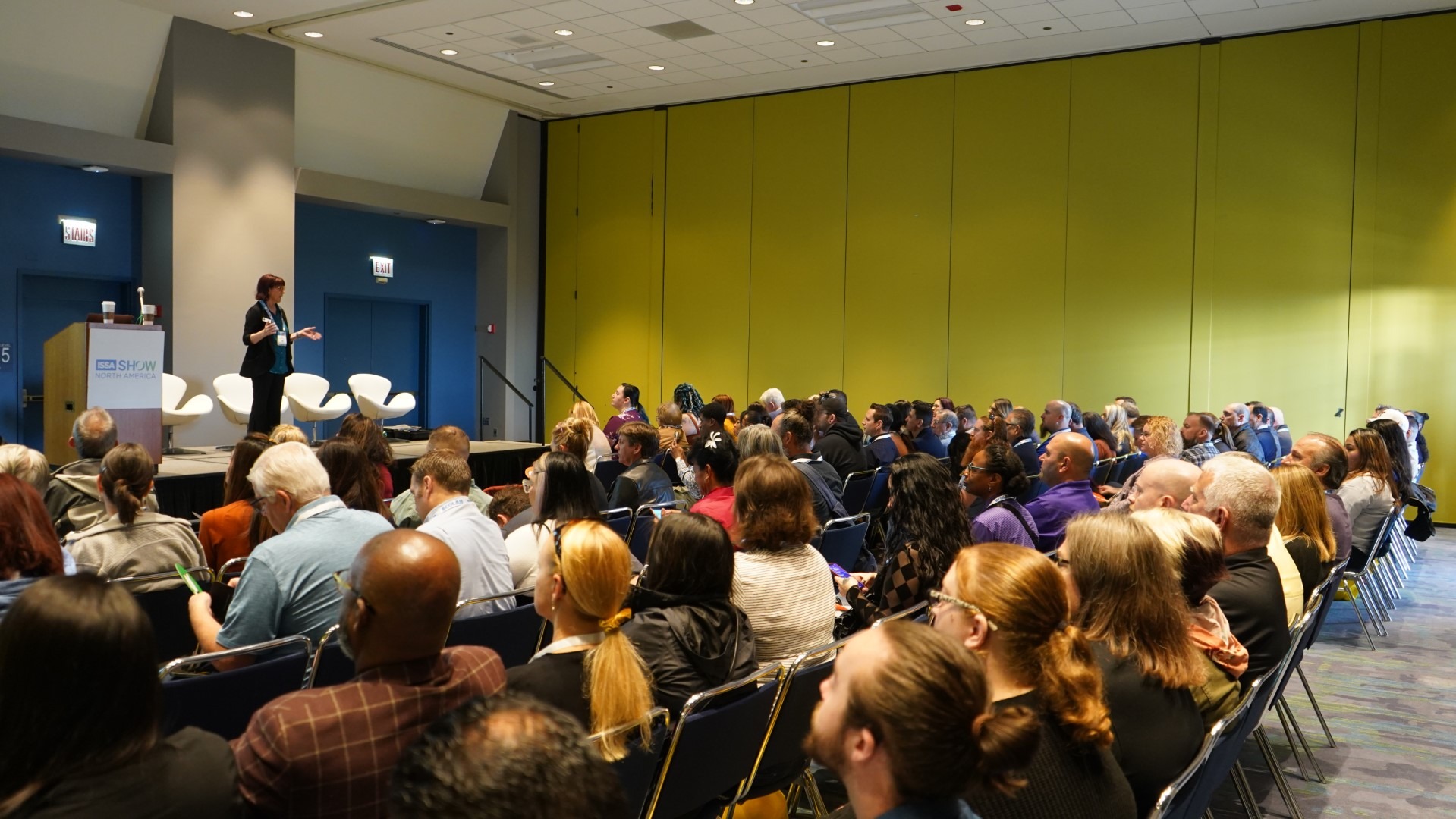
Owners set the ceiling for the company. If the owner stops growing, the business eventually does too. Make your own development part of the plan: read, listen, attend live events, and spend time with other owners who are working on the same challenges.
CPB runs live events where owners learn together, and the Mastery Circle offers weekly one-hour Monday goal check-ins facilitated by Liz with groups of up to 15 owners. Industry groups such as ISSA also share resources on cleaning standards and best practices. When your team sees you learning, the culture of continuous learning you are asking for becomes believable.

How a culture of continuous learning pays off
The payoff shows up in places owners already watch. Teams that keep learning tend to need fewer re-cleans, handle more types of jobs, and depend less on the owner to solve every problem. People who feel they are growing are also more likely to stay, which is why culture belongs in any plan to reduce turnover in a cleaning company.
You can measure these effects rather than guess. Our guide to measuring the ROI of employee development explains which numbers to baseline and compare. For the big trends in how teams learn, read about employee development trends. To connect learning to your goals, see how to build a development-focused organization, and for specific programs to start, explore our list of employee development initiatives.
Start by checking where your business stands. The free AOS Diagnostic gives you pillar scores in about ten minutes. Use your scores to identify gaps, then choose priorities based on your goals and what needs to happen first.
Your first 30 days
- Week 1: Share one thing you learned this week with your whole team, and add a two-minute lesson to every morning huddle.
- Week 2: Hold a five-minute review on the next re-clean, focused on causes and changes instead of blame.
- Week 3: Assign one skill to each team for peer teaching and hold one FTD coaching conversation with every team lead.
- Week 4: Add one learning measure to your weekly scorecard and celebrate the first skills signed off in front of the team.
Key takeaways
- A culture of continuous learning is built through small daily habits, not a single training event.
- Leaders set the tone by learning out loud and modeling curiosity.
- Re-cleans and mistakes are lessons when reviewed without blame.
- Peer teaching and FTD coaching spread knowledge without relying on the owner.
- Protecting learning time with a scorecard measure keeps the culture of continuous learning alive in busy seasons.
Next step: Take the free AOS Diagnostic, then reach out to our team to talk about building your People pillar.
Watch & put it to work
Review the messages your incentives send
Connect your learning culture with a discussion about motivation, recognition and the behaviors you want to support. Free archive lessons from Liz Trotter.

Motivation, Carrots and Sticks
Liz introduces the seven cautions about carrots and sticks discussed in Daniel H. Pink's book Drive.
View all LIZ A.R.D.S. · Archive recordings may mention past events or offers.
Frequently asked questions
How do you build a culture of continuous learning on a small budget?
Use habits instead of spending. Add a short lesson to daily huddles, assign peer teaching by team, review re-cleans without blame, and recognize new skills publicly. A culture of continuous learning depends far more on consistency than on money.
How long does it take to change a team’s learning culture?
Expect the first signs within a few weeks, when people start sharing tips and asking questions. Lasting change takes longer because habits must hold through busy seasons, so review learning measures every week and adjust each quarter.
What if my cleaners do not want to learn?
Start by asking why. Often the real issue is time, fear of blame, or no visible reason to grow. Make lessons short, make mistakes safe to discuss, and show how new skills lead to recognition, better schedules or a path to team lead.
How do I keep learning going during busy seasons?
Treat learning like an appointment. Keep the huddle lesson even on heavy days, schedule short coaching conversations, and track one learning measure on the weekly scorecard so it stays visible when the calendar is full.
Does a culture of continuous learning help with retention?
It often does, because people tend to stay where they feel they are growing and respected. A culture of continuous learning gives employees regular progress, recognition and a clearer future, which are common reasons good cleaners choose to stay.
Develop the people leading your team
Learn Circle supports supervisors and managers with people and daily operations, Build Circle adds KPI management, and Leadership Circle develops senior leaders.
Not sure where to focus? Take the optional AOS Diagnostic.

Founder of Core Profit Builders and creator of the Align Operating System (AOS). Part owner in six cleaning companies. Certified High-Performance Coach (CHPC) and co-host of the Smart Business Moves podcast.
More about Liz