

Quick answer: The client journey for a residential cleaning company is the full path a client travels with you, from the first inquiry through the quote, the first clean, follow-up, long-term retention, reviews and referrals. When you map each stage, set a standard for it and measure it, you deliver a consistent experience that keeps clients longer and brings in new ones by word of mouth.
Most home services owners think about clients in two moments: when they call and when they complain. Everything in between happens on autopilot, handled differently by whoever answers the phone or shows up at the door. A mapped client journey replaces that guesswork with a clear roadmap your whole team can follow, so every client receives the same professional experience whether you are in the office or not.

What is a client journey in home services?
A client journey is the sequence of steps and touchpoints a person experiences with your company, seen from their point of view. It includes every call, text, email, quote, visit and invoice. It also includes the moments you might not think about, like how long they wait for a callback or whether anyone thanks them after the first clean.
In residential cleaning, the client journey matters even more than in many industries. Your team works inside people’s homes. Clients are trusting you with their keys, their pets and their personal spaces. Every interaction either builds that trust or chips away at it.
Mapping the journey also helps you as an owner. It shows where leads slip away, where new clients cancel early, and where your best long-term clients first decided to stay. Once you can see those points, you can improve them on purpose.
The 7 stages of the client journey for a cleaning company
Every company’s details differ, but most residential cleaning businesses share the same seven stages. Treat each one as a small system with an owner, a standard and a number you can track.
Stage 1: Inquiry
The client journey begins the moment someone reaches out by phone, web form, text or social message. Speed and warmth matter most here. A prospect who waits a day for a reply has often booked someone else.
- Set a clear response-time standard for every channel.
- Use a short script so whoever answers gathers the same information every time.
- Ask what prompted them to call now; the answer tells you what they value.
Stage 2: Quote
The quote is where the prospect decides whether you understand their needs and whether your price feels fair for the value. Explain what is included, what is not, and how your process works. A clear, confident quote reduces surprises later in the client journey.
Your pricing has to work for you as well as for the client. If you are unsure your rates cover labor and overhead, review our guide on how to price cleaning services for profit before you refine your quoting script.
Stage 3: The first clean
The first clean is the most important moment in the whole client journey. It sets expectations for everything that follows. Prepare your team with notes from the quote: priorities, pets, access instructions and any areas of concern.
Consider a short welcome message before the visit that tells the client who is coming, when, and what to expect. Then make sure the team follows a consistent checklist. Documented cleaning SOPs make this possible even as your team grows.
Stage 4: Follow‑up
Within a day of the first clean, reach out and ask how it went. This simple step catches small issues before they become cancellations, and it shows the client you care about the result, not just the payment.
If a client is upset, Liz Trotter’s TIDY framework gives your office team a calm way to respond: Thank you, I’m sorry, Don’t worry, You’re right. It acknowledges the client, owns the moment and moves toward a solution without defensiveness.
Stage 5: Retention
Retention is where profit lives. A recurring client who stays for years is worth far more than a one-time booking, and keeping them costs less than finding a new one. Plan regular check-ins, keep team assignments stable where you can, and notice when service patterns change.
Stage 6: Reviews
Happy clients often intend to leave a review but forget. Ask at a natural high point in the client journey, such as after a strong follow-up call or a client’s compliment to the office. Make it easy with a direct link, and thank every reviewer personally.
Stage 7: Referrals
Referrals close the loop. A client who refers a friend is starting a new client journey on your behalf, and referred prospects usually arrive already trusting you. Make referring simple, say thank you in a meaningful way, and track where referrals come from.

How to map your client journey step by step
You do not need special software to map the journey. A whiteboard, sticky notes and your leadership team are enough. The key is to look at the experience from the client’s side, not from your org chart.
- List every touchpoint. Write down every call, message, visit, invoice and reminder a client receives from first contact through their first year.
- Mark who owns each step. If nobody owns a step, it will happen inconsistently or not at all.
- Find the friction. Ask where clients wait, get confused, repeat information or feel forgotten.
- Write a standard for each stage. Keep it short: what happens, who does it, and by when.
- Choose one number per stage. Response time, close rate, first-clean satisfaction, early cancellations, retention, review count and referral count are good starting points.
- Review monthly and improve one stage at a time. Small, steady improvements compound.
Add those stage numbers to your weekly scorecard so the client journey stays visible. Our guide to a weekly KPI scorecard shows how to set one up.
Measuring client journey performance
What gets measured gets managed. When each stage has a number, you can see exactly where clients drop off and where your team shines. Here are practical measures for each stage of the client journey:
- Inquiry: average response time and number of new leads by source.
- Quote: close rate, meaning quotes accepted divided by quotes given.
- First clean: first-visit satisfaction and any re‑clean requests.
- Follow-up: percentage of new clients contacted within a day.
- Retention: recurring clients kept each month and cancellation reasons.
- Reviews: new reviews per month and average rating.
- Referrals: referred leads per month and their close rate.
Look for patterns rather than single bad weeks. If early cancellations rise, look at the first clean and follow-up stages. If close rate falls, review your quote process and sales training. Sales skills can be learned and coached; Core Profit Builders’ Sales Circle offers weekly live group sales coaching for owners and salespeople.
Common mistakes that weaken the experience
Even well-run companies fall into habits that quietly hurt clients. Watch for these patterns as you review your map.
- Slow first responses. A prospect who waits too long assumes the service will be slow as well.
- Vague quotes. When clients are unsure what is included, small misunderstandings grow into complaints.
- No contact after the first clean. Silence leaves new clients wondering whether anyone noticed their concerns.
- Only calling when there is a problem. Clients who hear from you only about schedule changes or price updates feel like accounts, not people.
- Treating long-term clients as finished. Loyal clients still need attention, appreciation and an occasional check‑in.
Each of these mistakes is easier to fix once it is visible on paper. Revisit your map at least twice a year, and update it whenever you add a service, change software or restructure the office, because each change reshapes the client journey in ways your team may not notice right away.
Your team is the client journey
Clients rarely meet the owner after the first few weeks. They meet your office staff and your cleaning technicians. That means the quality of the client journey depends on how well you hire, train and keep your people.
Stable teams build relationships with clients, learn their preferences and catch details a new technician would miss. High turnover breaks that continuity and often shows up later as cancellations. If staffing is a constant struggle, our article on how to reduce turnover in a cleaning company is a good place to start.
Train every team member on the stages, not only their own step. When a technician understands that the first clean shapes retention, they approach it differently. When the office understands that follow-up prevents cancellations, they protect time for it.
How the client journey fits the Align Operating System
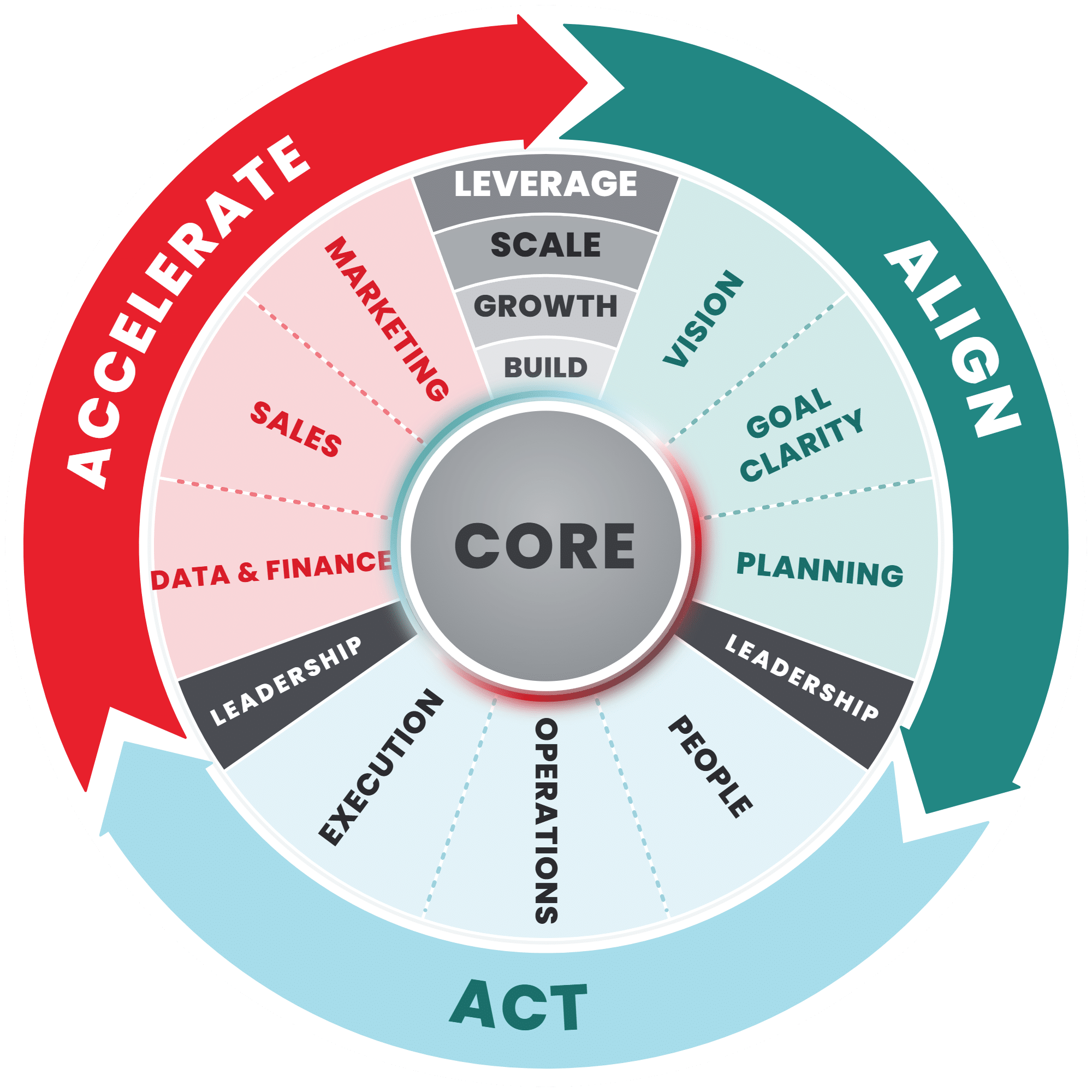
The Align Operating System (AOS), created by Core Profit Builders for residential cleaning companies, organizes your business into three phases: Align, Act and Accelerate. The client journey touches all of them.
Your vision and goals in the Align phase define the kind of experience you promise. The Act phase, covering People, Operations and Execution, is where that promise is delivered in clients’ homes. The Accelerate phase, with Data & Finance, Sales and Marketing, is where you measure the journey, convert leads and attract the right clients. Leadership runs through every pillar.
The free AOS Diagnostic shows your pillar scores so you can see which parts of the experience are strongest and which need work. Use your scores to identify gaps, then choose priorities based on your goals and what needs to happen first.
For broader guidance on customer service and growth, the U.S. Small Business Administration’s business guide is a helpful resource, and the Bureau of Labor Statistics profile of maids and housekeeping cleaners offers useful context on the roles that deliver your service.
Your first 30 days
- Week 1: Gather your leadership team and list every client touchpoint from first inquiry through the first year. Note who owns each one.
- Week 2: Write a short standard for each of the seven stages and pick one number to track for each.
- Week 3: Add a next-day follow-up call after every first clean and train your office on the TIDY framework for upset clients.
- Week 4: Add client journey numbers to your weekly scorecard, choose the weakest stage to improve next quarter, and take the free AOS Diagnostic.
Key takeaways
- The client journey runs from inquiry to quote, first clean, follow-up, retention, reviews and referrals.
- The first clean and the follow-up that comes after it shape whether a new client stays.
- Every stage needs an owner, a written standard and a number you track.
- Your team delivers the experience, so hiring, training and retention directly affect clients.
- Small improvements to one stage at a time compound into stronger retention and more referrals.
Next step: Map your current client journey with your team this week, then take the free AOS Diagnostic to see which pillars support it best.
Watch & put it to work
Watch Liz on client experience
Connect the steps in your client journey with the conversations and details that matter to the people you serve. Free archive lessons from Liz Trotter.

How to Wow Your Clients
Liz introduces Indispensable by Joe Calloway as a book about engaging clients and creating a service experience that matters to them.
Tips for Improving Listening Skills
A short lesson focused on improving the way you listen.
View all LIZ A.R.D.S. · Archive recordings may mention past events or offers.
Frequently asked questions
What is a client journey for a cleaning company?
A client journey is the full experience a client has with your cleaning company, from the first inquiry and quote through the first clean, follow-up, ongoing service, reviews and referrals. Mapping it helps you deliver the same professional experience every time.
Which stage of the client journey matters most?
Every stage matters, but the first clean and the follow-up right after it carry extra weight. They set expectations, build trust and often decide whether a new client becomes a long-term recurring client.
How do I measure my client journey?
Choose one number per stage, such as response time, close rate, first-clean satisfaction, early cancellations, monthly retention, new reviews and referred leads. Track them on a weekly scorecard and look for trends over several weeks.
How can I get more reviews and referrals from clients?
Ask at natural high points, such as after a positive follow-up call or a compliment. Provide a direct review link, make referring simple, and thank every client who reviews or refers in a personal, meaningful way.
How should my team handle an unhappy client?
Listen first, then respond calmly. Liz Trotter’s TIDY framework helps: Thank you, I’m sorry, Don’t worry, You’re right. Acknowledge the concern, own it, and agree on a fix and a follow‑up time.
Strengthen your sales skills
Sales Circle is weekly live group sales coaching for owners and salespeople, available on its own.
Not sure where to focus? Take the optional AOS Diagnostic.

Founder of Core Profit Builders and creator of the Align Operating System (AOS). Part owner in six cleaning companies. Certified High-Performance Coach (CHPC) and co-host of the Smart Business Moves podcast.
More about Liz