


Quick answer: The most important employee development trends in residential cleaning are short microlearning lessons instead of one-day orientations, video SOPs that show the work, a coaching culture in place of a correction culture, visible career paths for cleaners, and development tracked on the weekly scorecard. Owners who adopt these employee development trends one at a time build frontline teams that learn faster and depend less on the owner.
For years, training in a cleaning company meant a day of shadowing, a binder nobody opened, and the hope that a new hire would figure things out. That approach is fading. This article walks through seven employee development trends that cleaning company owners are adopting, why each one matters for frontline teams, and how to put them to work inside a clear operating system without overloading your schedule.

Why employee development trends matter for cleaning companies
Residential cleaning is a people business. Your service is only as consistent as the person holding the vacuum, and your schedule is only as stable as your team. When development is weak, the symptoms show up everywhere: re-cleans, call-outs, uneven quality between teams, and an owner who still gets pulled into every problem.
Hiring is competitive too. The U.S. Bureau of Labor Statistics profile of maids and housekeeping cleaners is a helpful reminder of how many employers compete for the same workers. Pay matters, but people also choose employers based on how well they are trained, how they are treated, and whether they can see a future for themselves.
That is why watching employee development trends is not a luxury for a cleaning company. It is a practical way to protect quality, lower the cost of churn, and free the owner from being the default trainer. The seven shifts below are not fads borrowed from corporate offices. They are adjustments that fit how cleaning teams actually work: on the road, inside clients’ homes, and on tight schedules.
Trend 1: Microlearning replaces the one-day orientation
Microlearning leads most lists of employee development trends, and for good reason. It means teaching one small skill at a time, in a few minutes, close to the moment it will be used. Instead of a long orientation packed with dozens of topics, a new technician learns how to clean a glass shower door on Monday, practices it on Tuesday, and gets feedback on Wednesday.
This works for cleaning teams because the job is physical and sequential. Nobody remembers a lecture about baseboards. They remember a two-minute demonstration followed by doing it right in a real home. Microlearning also fits the schedule. A five-minute lesson in the morning huddle or a short video before the first job costs almost nothing in production time.
How to start with microlearning
- List the 20 to 30 tasks a new technician must master in the first month.
- Break each task into a lesson that takes five minutes or less.
- Pair every lesson with a quick check: a photo, a team lead sign-off, or a short demonstration.
- Schedule lessons so each one lands right before the skill is needed in the field.
Trend 2: Video SOPs become the training backbone
Written cleaning SOPs are still essential, but one of the clearest employee development trends is pairing each procedure with a short video recorded on a phone. A video shows the order of work, the right product and the right tool in a way a paragraph never can. It also lets a technician review the standard alone, in the car, before walking into a client’s home.
Production value is not the point. A steady phone, good light, and a team lead who performs the task well are enough. Keep each video under three minutes, name it clearly, and store it where your team can find it in seconds. When a procedure changes, record the new version the same week so the video and the written SOP always agree.
Video SOPs also protect the owner’s calendar. When the standard lives in a library everyone can reach, the owner stops repeating the same explanation to every new hire. Of all the employee development trends on this list, this one does the most to help an owner stop being the bottleneck in daily operations.
Trend 3: Coaching culture over correction culture
In a correction culture, feedback happens only when something goes wrong. A client complains, the owner calls the technician, and the conversation feels like a reprimand. People learn to hide mistakes instead of learning from them, and the same problems keep coming back. Many employee development trends start right here, with how leaders talk to their people.
A coaching culture flips that pattern. Leaders give feedback often, in small doses, and they ask questions before giving answers. Liz Trotter, a Certified High Performance Coach, teaches owners a simple coaching structure called FTD: Feel, Think, Do. The leader asks how the employee feels about the situation, what they think happened, and what they will do next. The employee does most of the talking, so ownership of the fix stays with them.
Coaching takes a little more time per conversation, yet it saves time across a quarter because fewer problems repeat. Organizations such as the Society for Human Resource Management publish useful resources on feedback and manager development if you want to go deeper. In a cleaning company, the shift is simple to describe and hard to sustain: coach first, correct only when coaching has not worked.
Trend 4: Visible career paths for frontline cleaners
Many cleaners leave because they see no future where they are. Career paths are among the employee development trends that matter most for retention, because a visible path changes that conversation. Even a small company can show a clear ladder: technician, senior technician, field trainer, team lead, and eventually a role in scheduling, quality control or the office.
Each step should list the skills required, how those skills are checked, and what changes in pay or responsibility. When the path is written down, an ambitious technician knows exactly what to work on next. When it is not, they assume the only way up is out. We cover the skills side in more detail in our guide to skills development plans for technicians and team leads, and our article on how to reduce turnover in a cleaning company shows how career paths support retention.
Trend 5: Personalized development informed by DISC
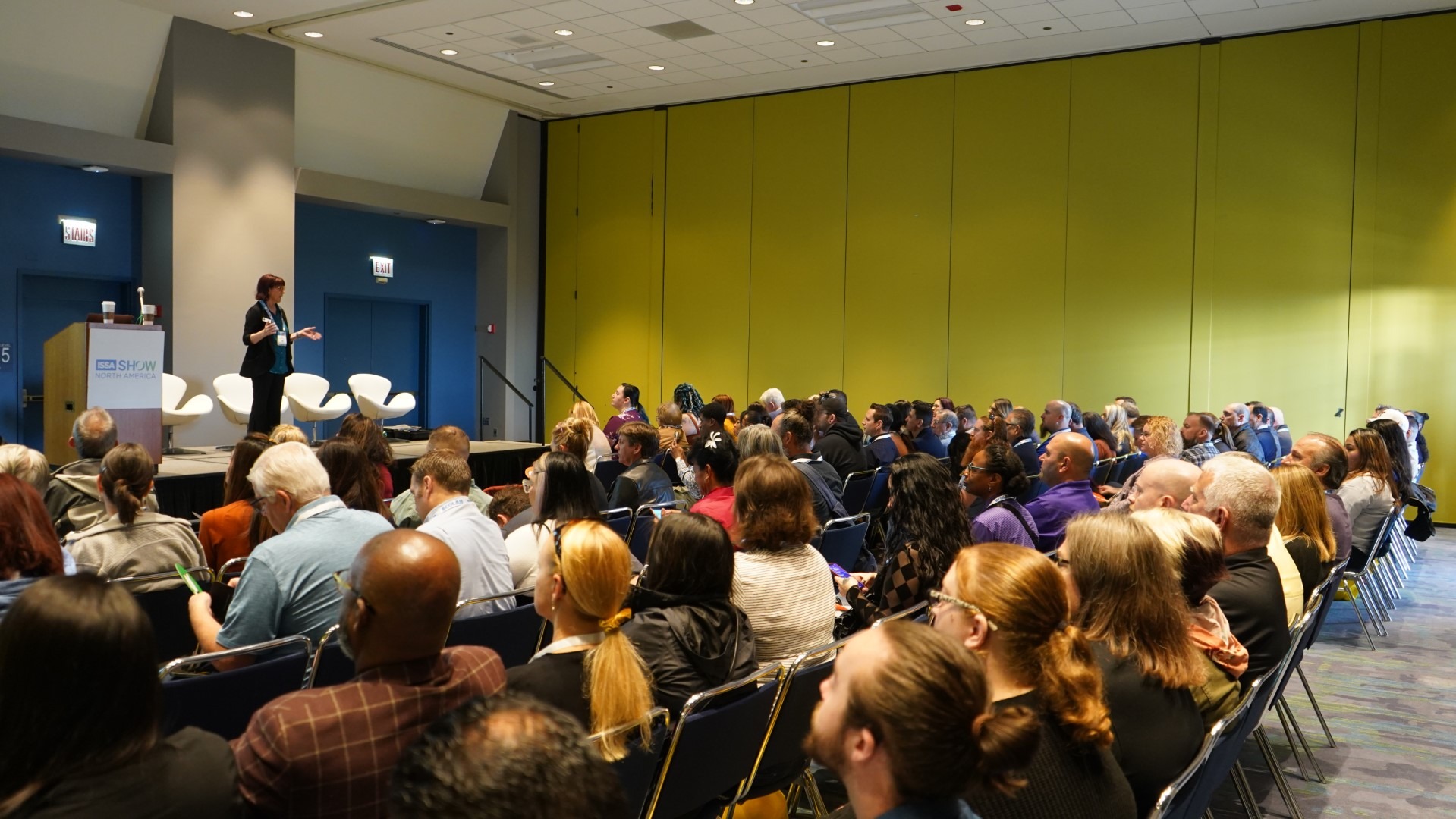
One-size-fits-all training is giving way to development that fits the person. A practical tool here is DISC, a behavioral style model that describes how people prefer to communicate, make decisions and handle change. Liz has extensive DISC training, and she uses it to help owners understand why the same instruction lands well with one employee and poorly with another.
A direct, results-focused team lead may want the bottom line in one sentence. A steady, detail-oriented technician may want a clear checklist and time to practice before being observed. Adjusting how you teach, not what you teach, is one of the quieter employee development trends, and it reduces frustration on both sides of the conversation.
Trend 6: Development tracked on the scorecard
What gets measured gets attention. More owners are adding a few development measures to their weekly scorecard, such as the number of technicians who finished their training checklist, time to proficiency for new hires, and the re-clean rate by team.
When development sits next to revenue and labor numbers, it stops being a side project. Leaders review it every week, spot problems early, and celebrate progress in public. Tracking is what keeps employee development trends from becoming short-lived fads inside your company. If you want a deeper look at which numbers to track and how to evaluate them, read our article on measuring the ROI of employee development.
Trend 7: Owners step out of the trainer seat
In the early years, the owner is usually the best cleaner and the only trainer. That arrangement does not scale. The last of these employee development trends is a shift in who does the teaching. Owners are building field trainers and team leads who own onboarding, field coaching and quality checks, while the owner focuses on vision, systems and leadership.
This shift works only when standards are documented and roles are clear. It is the natural result of the first six trends combined: microlearning and video SOPs make training repeatable, coaching builds leaders, career paths create trainers, and the scorecard keeps everyone accountable for progress.

How to adopt employee development trends without overwhelming your team
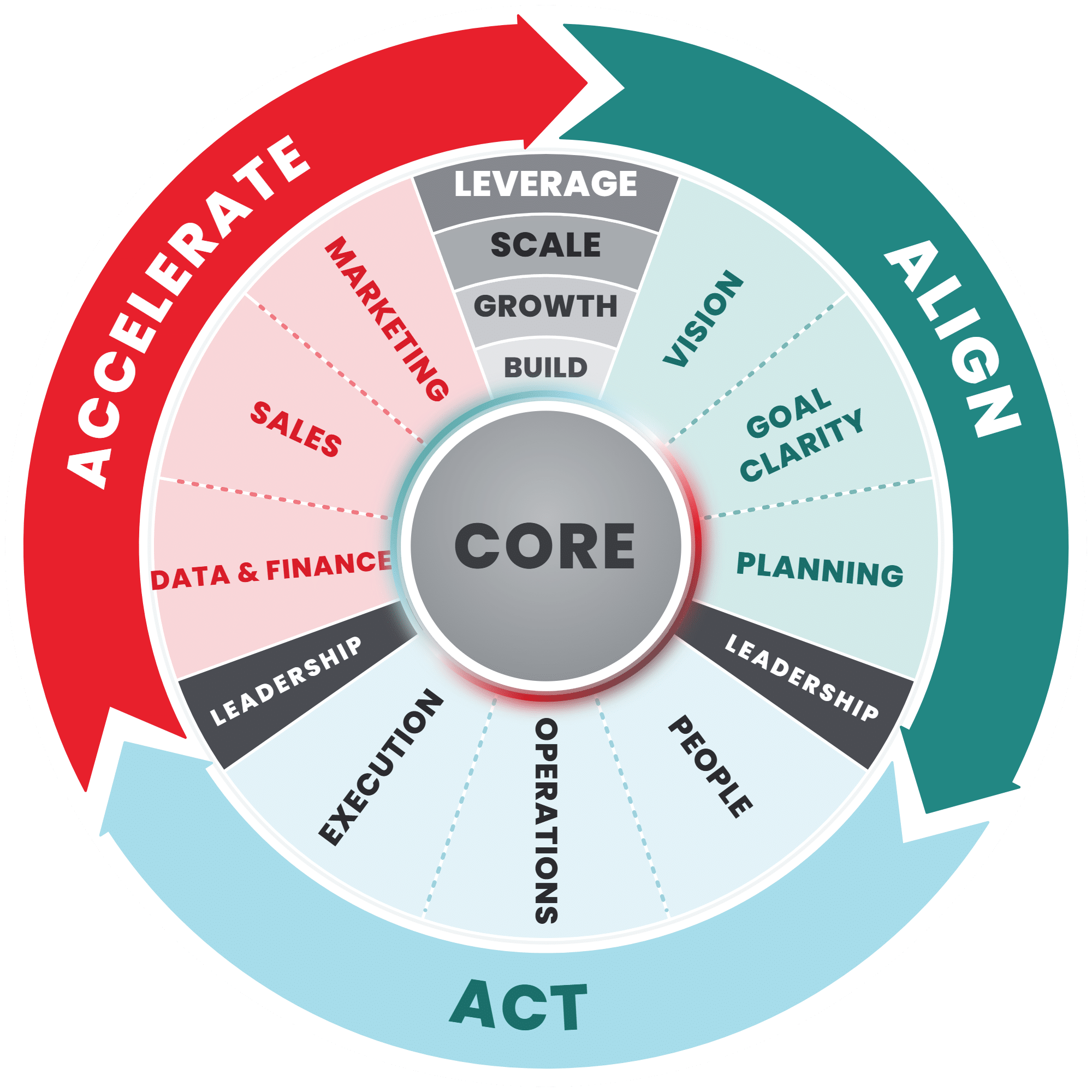
Trying all seven at once is the fastest way to adopt none of them. A better approach is to treat development like any other business priority. Inside the Align Operating System (AOS), development lives mainly in the People pillar of the Act phase. It also connects to Operations and Execution, and Leadership runs through every pillar of the system.
Start with the free AOS Diagnostic. Use your scores to identify gaps, then choose priorities based on your goals and what needs to happen first. The right employee development trends for you depend on your gaps. If quality is inconsistent, video SOPs might come first. If turnover is the pain point, coaching and career paths may matter more. Then set one development priority as a Quarterly Driver, break it into weekly actions, and track it in GET, the Growth Execution Tool, so commitments do not slip.
For the bigger picture of tying development to company goals, see how to build a development-focused organization. If you want specific programs to launch next, our list of employee development initiatives is a useful companion. And for the daily habits that make any of these trends stick, read about building a culture of continuous learning.
Questions to ask before adopting new employee development trends
- What specific problem in our business will this solve?
- Who will own it, and how many hours will it take each week?
- How will we know it is working within one quarter?
- Does it fit how our teams actually work in the field?
Your first 30 days
- Week 1: Take the AOS Diagnostic and list the three biggest development gaps in your team. Choose which of these employee development trends addresses your most urgent gap.
- Week 2: Record three video SOPs or write three microlearning lessons for the tasks that cause the most re‑cleans.
- Week 3: Hold one FTD coaching conversation with every team lead, and ask each lead to hold one with a technician.
- Week 4: Add two development measures to your weekly scorecard and write a development Quarterly Driver for next quarter.
Key takeaways
- The most useful employee development trends for cleaning companies are microlearning, video SOPs, coaching culture, career paths, DISC-informed teaching, scorecard tracking and owners stepping out of training.
- Short, practical lessons tied to real tasks beat long orientations.
- Coaching conversations build ownership, while constant correction builds fear.
- A written career path gives ambitious cleaners a reason to stay and grow.
- Adopt employee development trends one at a time and manage each one like a Quarterly Driver.
Next step: Take the free AOS Diagnostic to see where your People pillar stands, then talk with our team about the right level of support.
Frequently asked questions
What are the biggest employee development trends for cleaning companies?
The biggest employee development trends for cleaning companies are microlearning, video SOPs, coaching instead of correction, visible career paths, DISC-informed teaching, development measures on the weekly scorecard, and owners handing training to field trainers and team leads.
Is microlearning effective for house cleaners?
Microlearning is one of the employee development trends best suited to house cleaners because the work is hands-on and sequential. A short lesson right before a task, followed by practice and a quick check, is easier to remember than a long orientation covering everything at once.
How do I make video SOPs my team will actually watch?
Keep each video under three minutes, show one task from start to finish, name it clearly, and store it where technicians can find it on their phones. Use the videos in huddles and onboarding so watching them becomes a normal habit.
Do small cleaning companies need a career path?
Yes. Career paths are one of the employee development trends small companies benefit from most. Even a company with one or two teams can show a path from technician to senior technician, field trainer and team lead. A written path with clear skills and checkpoints gives good people a reason to grow with you instead of leaving.
Which of these employee development trends should I adopt first?
Start with the AOS Diagnostic. Use your scores to identify gaps, then choose priorities based on your goals and what needs to happen first. Adopt one trend as a Quarterly Driver, track it weekly, and add the next one once it is working.
Develop the people leading your team
Learn Circle supports supervisors and managers with people and daily operations, Build Circle adds KPI management, and Leadership Circle develops senior leaders.
Not sure where to focus? Take the optional AOS Diagnostic.

Founder of Core Profit Builders and creator of the Align Operating System (AOS). Part owner in six cleaning companies. Certified High-Performance Coach (CHPC) and co-host of the Smart Business Moves podcast.
More about Liz