


Quick answer: The most effective development initiatives for cleaning technicians are simple and low cost: a visible career path, a skills checklist with sign-offs, a peer trainer role, a team lead track, short training in weekly huddles, specific recognition and regular one-on-one conversations. Pick two or three, run them consistently, and add more once they stick.
Your technicians are the product your clients experience. They are also the people most likely to leave when the work starts to feel like the same day repeated forever. Good development initiatives give technicians a reason to stay, a way to improve and a future they can see. None of them require a big budget. They require consistency, which is where the People pillar of the Align Operating System comes in.
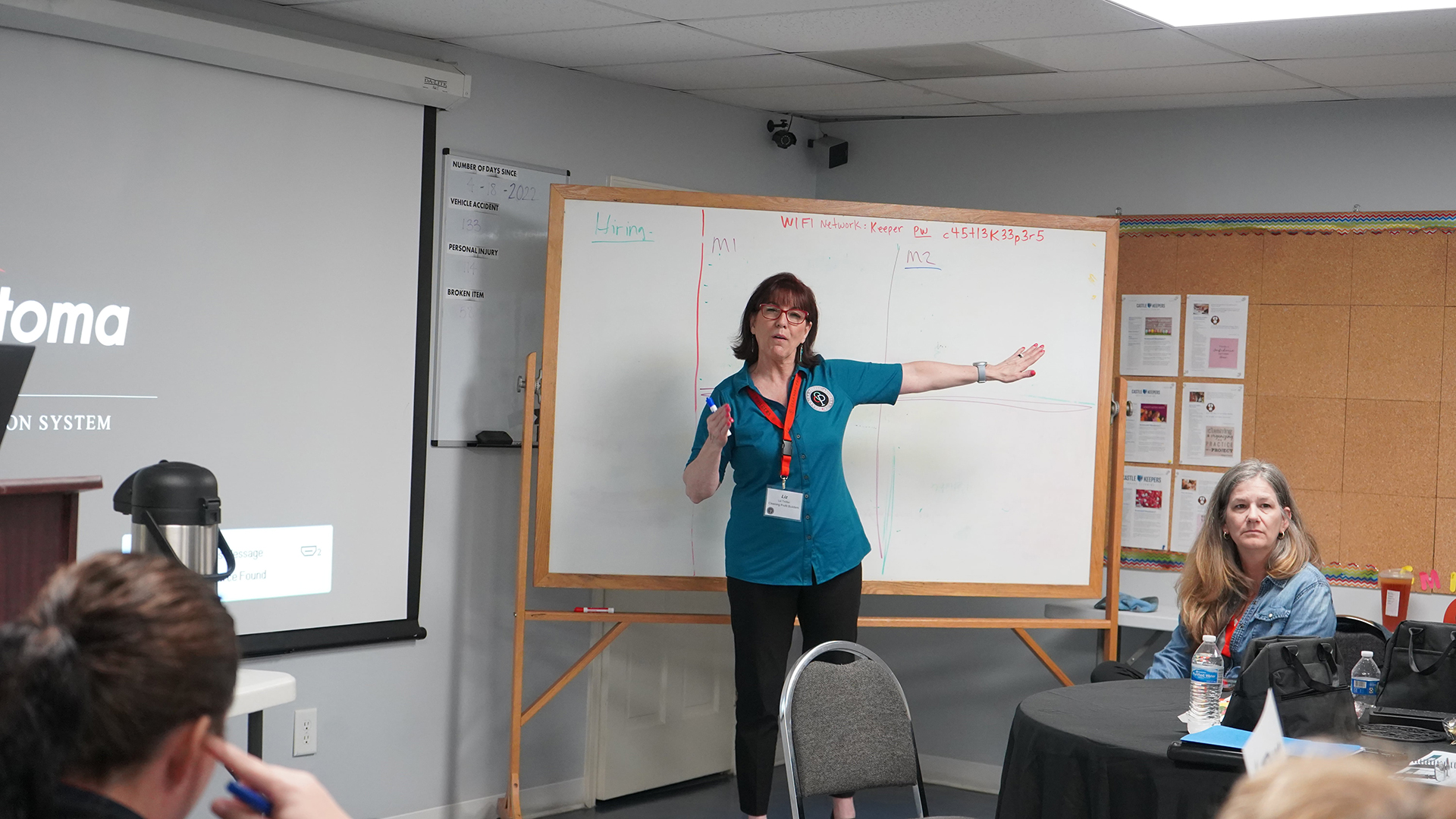
Why technician development matters
Cleaning is physical, repetitive work, and many technicians assume there is nowhere to go from here. When nobody tells them otherwise, the next job offer looks like the only way forward. A company that shows people a path, invests in their skills and notices their effort becomes a place worth staying. That stability shows up in quality, in client relationships and in the owner’s peace of mind.
Seven low-cost development initiatives that work
1. A visible career path
Write down the steps a technician can take, for example: Technician, Senior Technician, Trainer, Team Lead. For each step, list what someone must be able to do and what changes when they get there, such as pay, responsibilities or schedule preference. Post it where people can see it and mention it during hiring.
2. A skills checklist with sign‑offs
Break your cleaning standard into specific skills: kitchens, bathrooms, dusting sequence, floors, chemical safety, client communication, time management. A trainer or lead signs off each skill once it is shown on the job. Technicians can see progress, and you get a clear record of who is ready for what.
3. A peer trainer role
Your strongest technicians often enjoy teaching. Give one or two of them the role of trainer for new hires, with a small recognition or pay difference. It develops the trainer, improves onboarding and takes training off the owner’s plate.
4. A team lead track
Before promoting someone to lead a team, let them practice: leading a home for a day, doing a walkthrough inspection, handling a client question on site. Pair them with a current lead and debrief afterward. When they step into the role, it is not their first time.
5. Five-minute huddle trainings
A short topic in a weekly huddle beats a long training nobody remembers. Rotate through safety, a tricky surface, a common client request or a quality miss from last week. Ask a technician to lead it sometimes. Short and frequent keeps standards fresh.
6. Specific recognition
Generic praise fades quickly. Specific recognition lasts: name the person, the behavior and why it mattered. Share client compliments in the team chat, call out a perfect inspection in the huddle, or write a short handwritten note. It costs almost nothing and people remember it.
7. Regular one‑on‑one conversations
A short conversation every month or so asking what is going well, what is frustrating and what they want to learn next. These stay conversations surface problems before they become resignations and help you match people to the right next step.
Common mistakes
- Launching too many initiatives at once. Five new programs in one month usually means none survive. Start with two or three.
- A career path with no real changes. If a new title changes nothing, people stop believing in the path.
- Training only during onboarding. Skills fade without reinforcement. Keep a steady rhythm.
- Recognition only for speed. If you only praise fast cleans, you teach people to cut corners. Recognize quality and teamwork too.
- Skipping one-on-ones when busy. Busy weeks are when people feel least heard.
Your first 30 days
- Week 1: Draft your career path with three or four steps and what each step requires.
- Week 2: Turn your cleaning standard into a skills checklist and choose who can sign off each skill.
- Week 3: Start five-minute huddle trainings and begin sharing specific recognition every week.
- Week 4: Hold a short one-on-one with each technician, show them the career path and ask what they want to work on next.
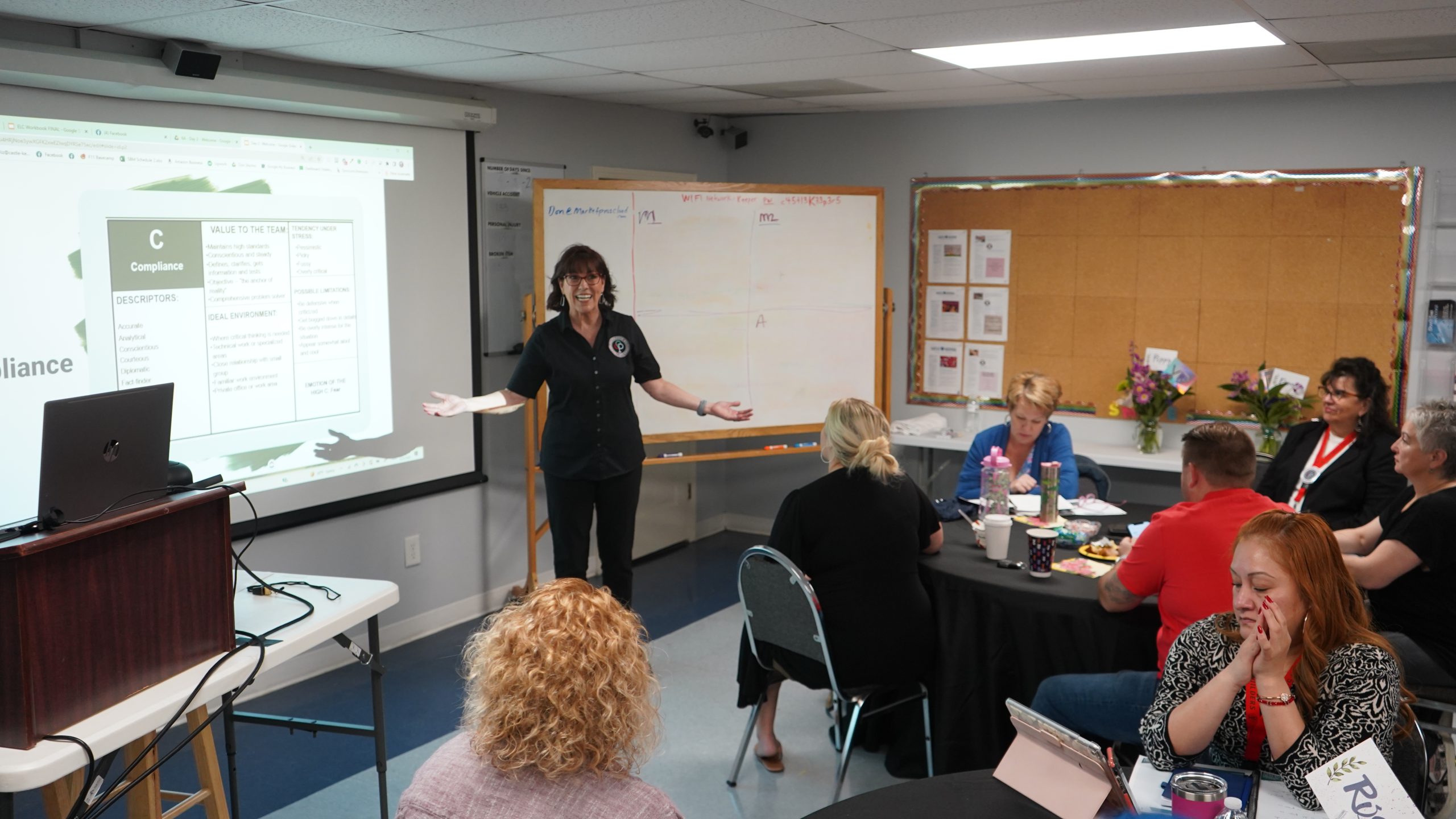
Make development part of your operating system
Development initiatives last when they are part of how the company runs, not a burst of energy after a bad month. In AOS, the People pillar connects to Operations and Execution: your skills checklist reflects your cleaning standard, and your career path reflects the roles the business needs as it grows. Use your scores to identify gaps, then choose priorities based on your goals and what needs to happen first.
When technicians step up into team lead and supervisor roles, they need leadership skills of their own. Manager Circles provide leadership development for supervisors, office managers and general managers. Owners can keep development priorities on track in the Mastery Circle, where weekly commitments are tracked in GET. For industry training standards and cleaning resources, ISSA, the worldwide cleaning industry association, is worth a look.
Key takeaways
- Technicians stay longer when they can see a future in your company.
- A career path, a skills checklist and a peer trainer role cost little and work well.
- Short, frequent training keeps standards alive better than one long session.
- Specific recognition and regular one-on-ones are among the most underused tools an owner has.
- Start with two or three initiatives and run them consistently.
Next step: write your technician career path on one page this week, then take the AOS Diagnostic to see how your People pillar compares.
Frequently asked questions
What are good development initiatives for cleaning technicians?
A visible career path, a skills checklist with sign-offs, a peer trainer role, a team lead track, short huddle trainings, specific recognition and regular one-on-one conversations are practical and low cost.
How do you create a career path for house cleaners?
Define three or four steps, such as Technician, Senior Technician, Trainer and Team Lead. For each step, list the skills required and what changes, like pay, responsibilities or schedule preference, then share it with the team.
How can I recognize cleaning employees without spending much?
Be specific. Name the person, the behavior and why it mattered. Share client compliments with the team, call out great inspections in the huddle and write short handwritten notes.
When should a technician become a team lead?
When they consistently meet the cleaning standard, teammates already come to them with questions, and they have practiced leading a home and doing walkthroughs alongside a current lead.
Develop the people leading your team
Learn Circle supports supervisors and managers with people and daily operations, Build Circle adds KPI management, and Leadership Circle develops senior leaders.
Not sure where to focus? Take the optional AOS Diagnostic.

Founder of Core Profit Builders and creator of the Align Operating System (AOS). Part owner in six cleaning companies. Certified High-Performance Coach (CHPC) and co-host of the Smart Business Moves podcast.
More about Liz