


Quick answer: A well-run residential cleaning business has a few basics in place across nine areas: Vision, Goal Clarity, Planning, People, Operations, Execution, Data & Finance, Sales and Marketing. Use the checklist below to see what you already have, what is missing, and where to focus first, with Leadership running through all of it.
Most owners can feel when something is off in their residential cleaning business. Cash is tight, the schedule is chaotic, or the owner is still answering every phone call. What is harder is knowing exactly what is missing. The Align Operating System organizes a cleaning company into nine pillars, with Core at the center and Leadership as a thread through every one. This checklist walks through each pillar so you can see your business clearly.
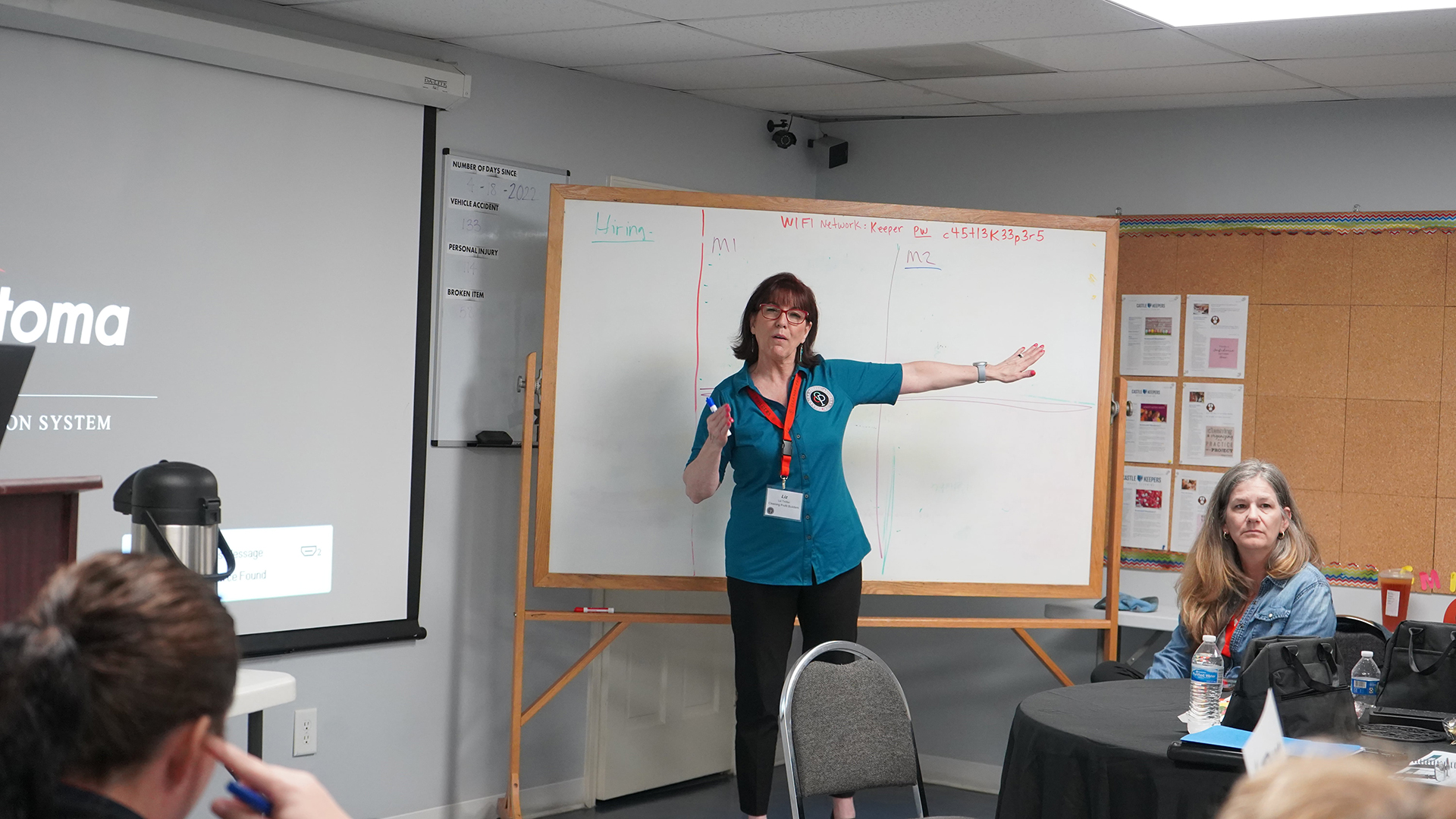
Why a checklist helps
Busy owners tend to fix whatever is loudest. A technician quits, so hiring becomes the priority. A slow month hits, so marketing gets attention. Then the next fire starts somewhere else. A checklist gives you a complete picture, so you can see how the pieces connect and make decisions based on the whole company instead of the latest emergency.
Use it honestly. Mark each item as in place, partly in place or missing. Partly in place usually means it exists in your head but not on paper, or it happens sometimes but not every time.
The residential cleaning business checklist by pillar
1. Vision
- A written picture of what the company will look like in three to five years.
- Clear core values the team can name and that guide hiring and decisions.
- A sense of what the owner’s role will be as the company grows.
2. Goal Clarity
- A small number of annual goals tied to the vision.
- Quarterly priorities that break those goals into achievable steps.
- Goals the leadership team understands and can repeat.
3. Planning
- A simple annual plan with a budget and capacity estimate.
- A quarterly planning session that sets priorities and owners.
- A plan for seasonal swings in demand and staffing.
4. People
- A repeatable hiring process with clear job descriptions.
- A written onboarding and training plan for new technicians.
- Regular one-on-one conversations and a way to recognize good work.
- An organizational chart showing who is responsible for what.
5. Operations
- Documented cleaning checklists for each service type.
- A scheduling process that does not depend on one person’s memory.
- Quality checks and a clear process for handling re-cleans and complaints.
- Supply and equipment routines so teams leave fully stocked.
6. Execution
- A weekly leadership meeting with a consistent agenda.
- Commitments with owners and due dates that are reviewed every week.
- A way to raise and solve problems instead of letting them linger.
7. Data & Finance
- A weekly scorecard with a handful of key numbers and targets.
- Monthly financial statements reviewed by the owner.
- Pricing based on real labor and overhead costs.
- A cash cushion and a habit of forecasting cash.
8. Sales
- A consistent process for answering inquiries and giving estimates.
- Discovery questions and a follow-up schedule for open estimates.
- Tracking of leads, close rate and reasons prospects did not book.
9. Marketing
- A clear description of your ideal client and service area.
- An up-to-date website and online reviews you actively request.
- A referral habit with existing clients.
- Knowledge of which channels bring your best clients.
Leadership, the thread through it all
Every pillar depends on leadership. Ask yourself whether you have leaders beyond the owner who can run meetings, coach team members and make decisions. If supervisors and office managers have never been trained to lead, many checklist items will slip no matter how good the systems look on paper.
How to use your results
When you finish, you will likely have a mix of items in place, partly in place and missing. Resist the urge to fix everything at once. Use your scores to identify gaps, then choose priorities based on your goals and what needs to happen first. For example, a strong marketing push may not help if operations cannot deliver consistent quality to new clients. Pick two or three priorities for the next quarter and assign an owner to each.
Common mistakes
- Checking the box too generously. If it is not written down or does not happen consistently, it is partly in place at best.
- Working on the most comfortable pillar. Owners often focus on areas they enjoy instead of the ones that need attention.
- Trying to fix all nine pillars this quarter. Spreading effort thin means nothing gets finished.
- Leaving the team out. Your managers may see gaps you do not. Ask them to complete the checklist too.
- Doing it once. Revisit the checklist every quarter as the business changes.

Your first 30 days
- Week 1: Complete the checklist yourself, marking each item in place, partly in place or missing.
- Week 2: Ask your managers or key team members to complete it and compare answers.
- Week 3: Choose two or three priorities based on your goals and what must happen first, and assign an owner to each.
- Week 4: Add those priorities to your weekly meeting and review progress every week.
Building your residential cleaning business with support
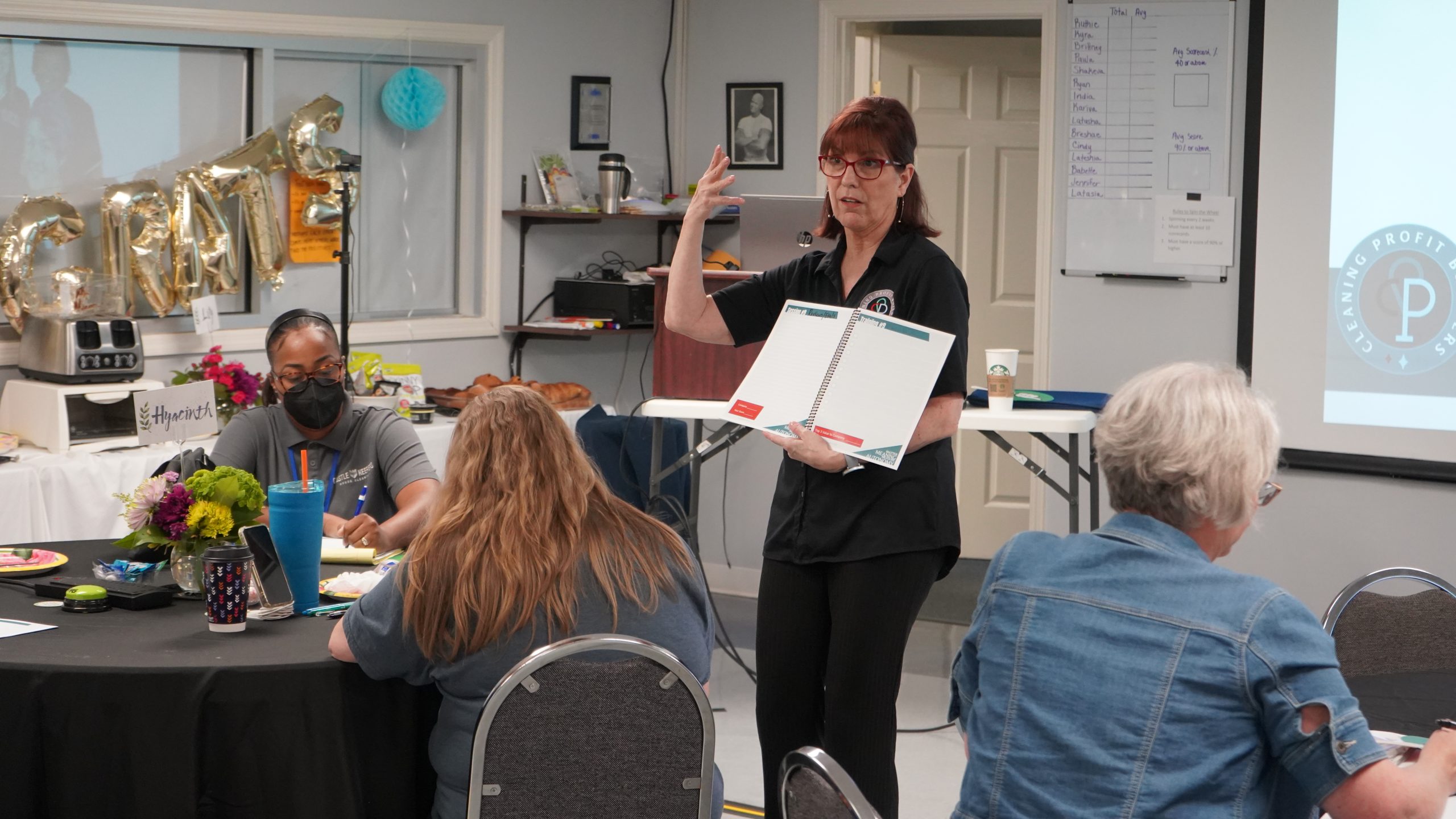
A checklist shows you what is missing. Building it is where support helps. In Mastery Circle, owners meet weekly for one-hour Monday goal check-ins facilitated by Liz Trotter and track priorities and KPIs in GET, the Growth Execution Tool. Manager Circles help your supervisors, managers and senior leaders grow into the leaders the pillars depend on. As the company grows, the five levels of AOS, Core, Build, Growth, Scale and Leverage, describe how capability develops.
For general guidance on running a small business, the SBA guide to managing your finances is a helpful companion to the Data & Finance pillar.
Key takeaways
- A residential cleaning business runs well when the basics are in place across all nine pillars.
- Leadership is the thread that makes every pillar work.
- Be honest: partly in place is not the same as in place.
- Choose two or three priorities at a time based on your goals and what must happen first.
- Revisit the checklist every quarter.
Next step: complete this checklist today, then choose the support that fits: see the Circles.
Frequently asked questions
What does a residential cleaning business need to run well?
It needs the basics in place across nine areas: Vision, Goal Clarity, Planning, People, Operations, Execution, Data & Finance, Sales and Marketing, with leadership running through all of them.
Where should I start if many checklist items are missing?
Use your scores to identify gaps, then choose two or three priorities based on your goals and what needs to happen first, and assign an owner to each.
How often should I review my business checklist?
Review it every quarter as part of planning, because the gaps change as the company grows and as you complete priorities.
Should my managers complete the checklist too?
Yes. Managers and key team members often see gaps the owner misses, and comparing answers leads to a more accurate picture and better priorities.
Develop the people leading your team
Learn Circle supports supervisors and managers with people and daily operations, Build Circle adds KPI management, and Leadership Circle develops senior leaders.
Not sure where to focus? Take the optional AOS Diagnostic.

Founder of Core Profit Builders and creator of the Align Operating System (AOS). Part owner in six cleaning companies. Certified High-Performance Coach (CHPC) and co-host of the Smart Business Moves podcast.
More about Liz