


Quick answer: A productive weekly leadership meeting follows the same agenda every week: a quick check-in, the scorecard, a status check on quarterly priorities, the most important problems solved one at a time, and a recap of who will do what by when. Keep it the same day, same time, same length, and end every meeting with clear commitments. Here is a weekly leadership meeting agenda that works.
Most cleaning companies either hold no leadership meeting at all or hold meetings that wander, run long and end without decisions. Both leave the owner as the place where every problem lands. A disciplined weekly meeting changes that. It is the engine of the Execution pillar in the Align Operating System.
Who should attend
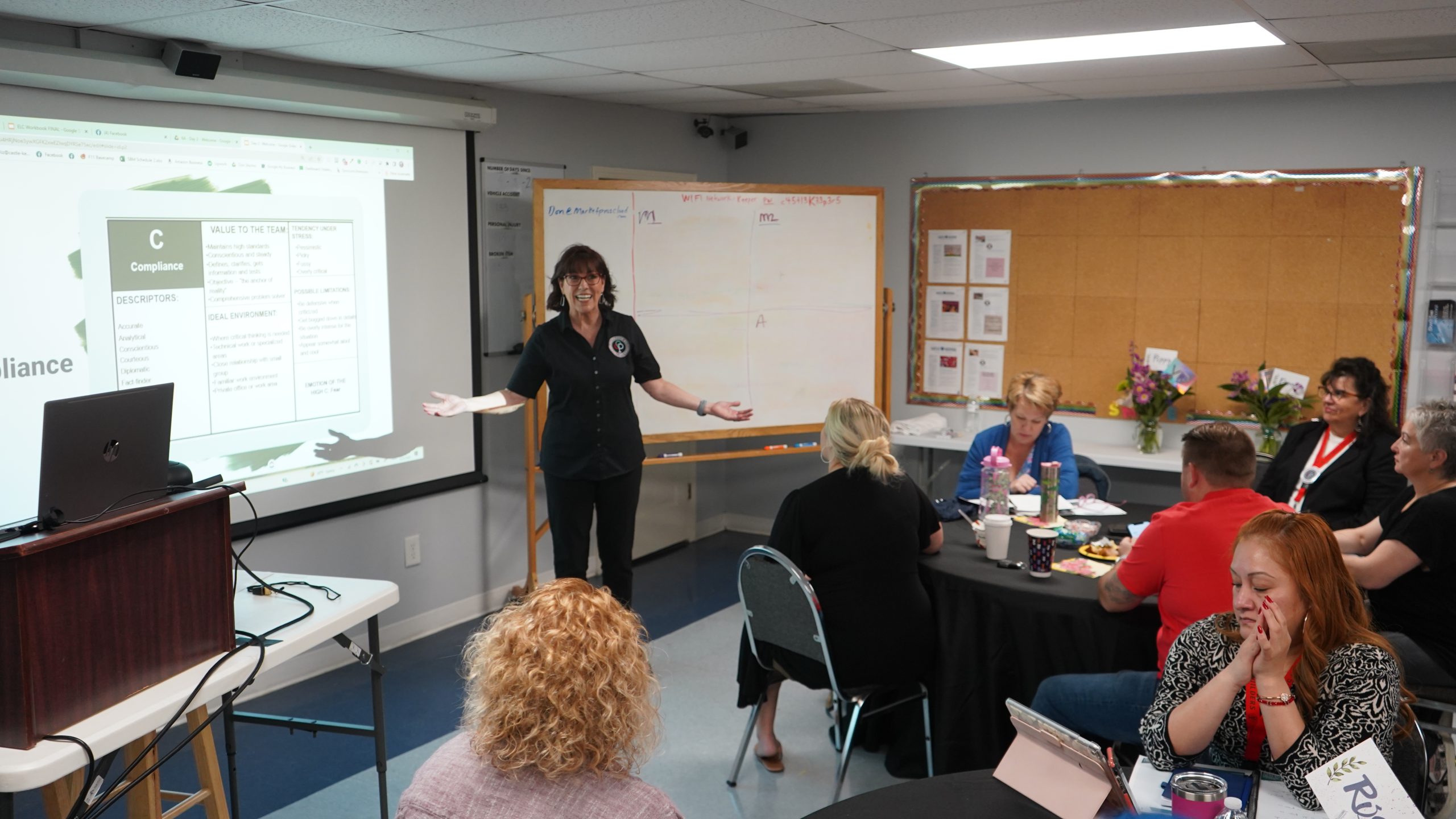
The owner and the people who own key parts of the business: the office or operations manager, field leads, and whoever owns sales and scheduling. In a small company that might be three people. The meeting grows as the leadership team grows.
A simple agenda that works
1. Check-in (5 minutes)
One good piece of business news and one personal win from each person. It sounds small, but it sets a positive, focused tone.
2. Scorecard (5 to 10 minutes)
Review the weekly numbers: revenue booked, labor percentage, leads and close rate, re-cleans, cancellations, staffing. Each owner says on track or off track. Off-track numbers go to the problem list, without discussion yet.
3. Quarterly Drivers (5 minutes)
Each priority owner reports on track or off track. Off-track priorities also go to the problem list.
4. Client and team headlines (5 minutes)
Quick news about clients and staff that the team should know.
5. Solve problems (most of the meeting)
Rank the problem list and work the most important issue first. Identify the real cause, decide the fix, assign an owner and a due date. Move to the next one. Solving three problems completely beats discussing ten.
6. Commitments and close (5 minutes)
Recap every action with its owner and due date. Those commitments are reviewed at the start of next week’s meeting.
Rules that keep the meeting working
- Same day, same time, every week. Consistency is the advantage.
- Start and end on time. Respect for the clock builds respect for the meeting.
- Numbers first. Data turns opinions into decisions.
- One issue at a time. Finish it before moving on.
- Every action has an owner. “We should” becomes “Maria will, by Thursday.”
Weekly accountability check-ins
Between meetings, short accountability check-ins keep commitments from slipping. Mastery Circle members use GET, the Growth Execution Tool, to track KPIs, commitments and accountability, with a weekly Monday goal check-in facilitated by Liz.
What changes when it works
With a steady rhythm, problems start arriving at the meeting instead of on the owner’s phone at night. Leaders begin solving issues on their own, and priorities get finished. This is how owners step out of the middle of every decision.
Common meeting mistakes
- Skipping weeks. A meeting that only happens in a crisis becomes a fire drill.
- Discussing instead of deciding. Every issue should end with an owner and a due date.
- Letting the owner do all the talking. The meeting builds leaders only when leaders run their parts of it.
- No follow-up. Review last week’s commitments first, every time.
Your first 30 days
- Week 1: Pick a fixed day and time and invite the people who own key areas.
- Week 2: Build a one-page scorecard and a list of up to three quarterly priorities.
- Week 3: Run the full agenda, keeping problem solving to one issue at a time.
- Week 4: Start with last week’s commitments and keep the same agenda.
Making the weekly leadership meeting stick
A weekly leadership meeting becomes a habit through consistent use. The first few meetings often feel awkward; with practice, the team starts arriving with numbers ready and problems already ranked.
Protect the weekly leadership meeting on the calendar the way you would protect a client appointment. Free mentoring from SCORE can also help newer managers learn to run productive meetings.

Key takeaways
- Same day, same time, same agenda, every week.
- Numbers first: the scorecard turns opinions into decisions.
- Solve the most important problems completely, one at a time.
- End with clear commitments and review them next week.
Next step: schedule your first weekly leadership meeting for the same day and time every week.
Frequently asked questions
How long should a weekly leadership meeting be?
Long enough to review the scorecard and priorities and solve the top problems, often 60 to 90 minutes. Keep the length the same every week.
What should be on a weekly meeting agenda?
A check-in, the scorecard, quarterly priority status, headlines, problem solving and a recap of commitments.
Who should attend the weekly meeting in a small cleaning company?
The owner and the people who own key areas, such as the office manager, field leads and whoever handles sales and scheduling.
Who should run the weekly leadership meeting?
The owner often starts it, but the goal is for a manager or leader to run it, so the meeting builds leadership capability beyond the owner.
Develop the people leading your team
Learn Circle supports supervisors and managers with people and daily operations, Build Circle adds KPI management, and Leadership Circle develops senior leaders.
Not sure where to focus? Take the optional AOS Diagnostic.

Founder of Core Profit Builders and creator of the Align Operating System (AOS). Part owner in six cleaning companies. Certified High-Performance Coach (CHPC) and co-host of the Smart Business Moves podcast.
More about Liz