


Quick answer: The power of listening comes from hearing what people mean, not just the words they use. For cleaning business owners, that means asking one more question before reacting, repeating back what you heard, and noticing what clients and team members leave unsaid. These habits prevent misunderstandings, surface problems early and build trust on both sides.
Owners are busy, and busy people listen to reply. A client says the bathroom “was fine,” and we move on. A tech says they are “good with the schedule,” and we believe it. The power of listening is in slowing down long enough to notice when “fine” means “not quite,” and when “good” means “I do not want to complain.” This article is about building that habit in practical, daily ways.

Why the power of listening is a business skill
In a residential cleaning company, problems almost always show up as small comments before they show up as cancellations or resignations. A client mentions they are “trying to cut back.” A team lead says one route is “a lot lately.” Those are signals. Owners who catch them early can act while the fix is small.
Listening also shapes how people treat you. Team members who feel heard tend to bring problems forward instead of hiding them. Clients who feel heard tend to forgive mistakes. That is not a guarantee, but it is a pattern most experienced owners recognize.
Six listening habits for owners
1. Ask one more question
Before you respond, ask a follow-up. “What do you mean by fine?” or “What would have made it great?” The second answer is usually the real one.
2. Repeat back what you heard
Summarize in your own words: “So the issue is that the team arrived later than you expected, not the cleaning itself?” This catches misunderstandings on the spot and shows the person you were paying attention.
3. Listen for what is not said
Hesitation, short answers and changes in tone often carry more information than the words. If a normally talkative team member goes quiet, that is worth a private conversation.
4. Separate listening from solving
Many owners jump to a fix before the other person finishes. Let them finish. Then ask, “Do you want my help solving this, or do you mostly need me to know?”
5. Remove distractions
Put the phone down, close the laptop, and look at the person. For phone calls, stop typing. People can hear when you are half listening.
6. Close the loop
Listening only counts if something happens next. Tell the person what you will do and when, then follow up. Over time, this is what makes people keep talking to you.
Using the power of listening with clients
With clients, listening starts at the first call. Pay attention to what they emphasize: price, people, consistency or detail. Those cues often match a DISC style and tell you how to respond. After each visit, a short check-in such as “Was there anything that did not meet your expectations?” invites honest feedback that a simple rating might miss.
The same goes for the clients who never complain. Quiet clients sometimes cancel without warning because small frustrations built up and nobody asked. A short, friendly call every few months to a long-term client, simply asking how things are going and whether anything has changed in their household, can surface needs such as a new pet, a new schedule or a room that needs more attention.
When a client complains, let them finish before explaining. Repeat the concern back, thank them for telling you, and only then describe the fix. Many complaints are as much about feeling dismissed as about the cleaning itself.
Listening to your team
Field teams often do not volunteer problems, especially team members with a steady, private style. Build listening into your rhythm: short one-on-ones, a regular question in team huddles such as “What is making your job harder this week?”, and a clear way to raise concerns without fear. Leaders who want to develop these skills in their supervisors can explore Manager Circles.
For general guidance on employee communication and engagement, SHRM is a reliable resource.
Listening to yourself
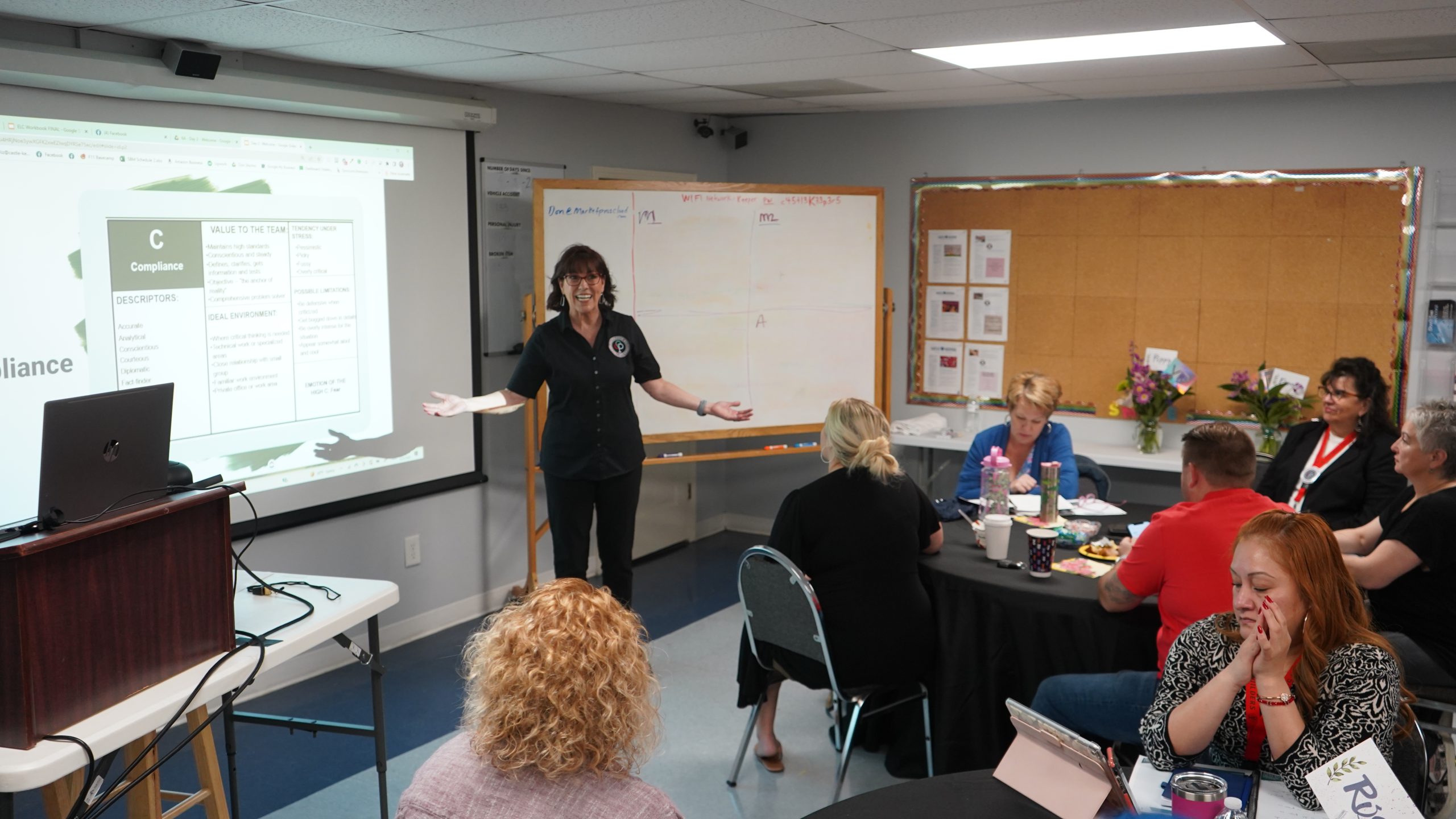
There is one more voice owners often ignore: their own. Notice your reactions in conversations. Do you interrupt when you feel criticized? Do you go quiet when a team member pushes back? Your DISC style shapes how you listen. A direct owner may cut people off to get to the answer. A steady owner may avoid asking the follow-up question that leads to conflict. A detail-focused owner may get lost in specifics and miss the emotion behind a complaint. An enthusiastic owner may talk more than they listen.
Knowing your own pattern helps you catch it in the moment. If you would like a starting point, ask CPB about DISC assessments.
Common mistakes
- Listening to reply. Planning your answer while the other person talks means you miss the point.
- Accepting “fine” at face value. One follow-up question often uncovers the real issue.
- Defending too fast. Explaining before the client feels heard makes the complaint bigger.
- Never closing the loop. If people share and nothing changes, they stop sharing.
Your first 30 days
- Week 1: Practice asking one more question in every client and team conversation. Note what you learn.
- Week 2: Add the habit of repeating back what you heard, especially on complaint calls.
- Week 3: Add a standing listening question to your weekly team huddle and write down the answers.
- Week 4: Review your notes, pick the most important issue you heard, and close the loop with the people who raised it.
Where listening fits in the AOS
Listening is part of the Leadership thread that runs through every pillar of the Align Operating System. What you hear from clients feeds Sales and Operations, and what you hear from your team feeds People and Execution. In Mastery Circle, owners can turn what they learn into weekly commitments in GET, so listening leads to action.

Key takeaways
- The power of listening is in hearing what people mean, not only what they say.
- Ask one more question, repeat back and listen for what is left unsaid.
- Separate listening from solving, and always close the loop.
- Build listening into client check-ins and team rhythms so it becomes a habit.
Next step: in your next three conversations, ask one more question before you respond. Then take the free AOS Diagnostic to see where your leadership priorities stand.
Watch & put it to work
Turn listening into a daily practice
Use a short lesson to reflect on how you understand people and clarify expectations. Free archive lessons from Liz Trotter.

Tips for Improving Listening Skills
A short lesson focused on improving the way you listen.
Social Norms vs. Marketing Norms
A short lesson introducing social norms and marketing norms.
View all LIZ A.R.D.S. · Archive recordings may mention past events or offers.
Frequently asked questions
What is active listening for a business owner?
It means focusing fully on the other person, asking follow-up questions, repeating back what you heard, and confirming the next step, instead of planning your reply while they talk.
How can I get honest feedback from cleaning clients?
Ask a specific, open question after a visit, such as whether anything did not meet expectations, and respond with thanks rather than defense when they share.
Why don’t my techs tell me about problems?
Many people avoid raising issues unless they feel safe and expect something to change. Regular one-on-ones, a standing huddle question and closing the loop make it easier for them to speak up.
How quickly can listening habits make a difference?
Many owners notice better conversations within a few weeks of practice, but the habit takes steady repetition. Start with one behavior, such as asking one more question, and add others over time.
Turn these ideas into consistent action
Mastery Circle gives owners weekly goal check-ins with Liz, KPI review, group feedback and accountability.
Not sure where to focus? Take the optional AOS Diagnostic.

Founder of Core Profit Builders and creator of the Align Operating System (AOS). Part owner in six cleaning companies. Certified High-Performance Coach (CHPC) and co-host of the Smart Business Moves podcast.
More about Liz